
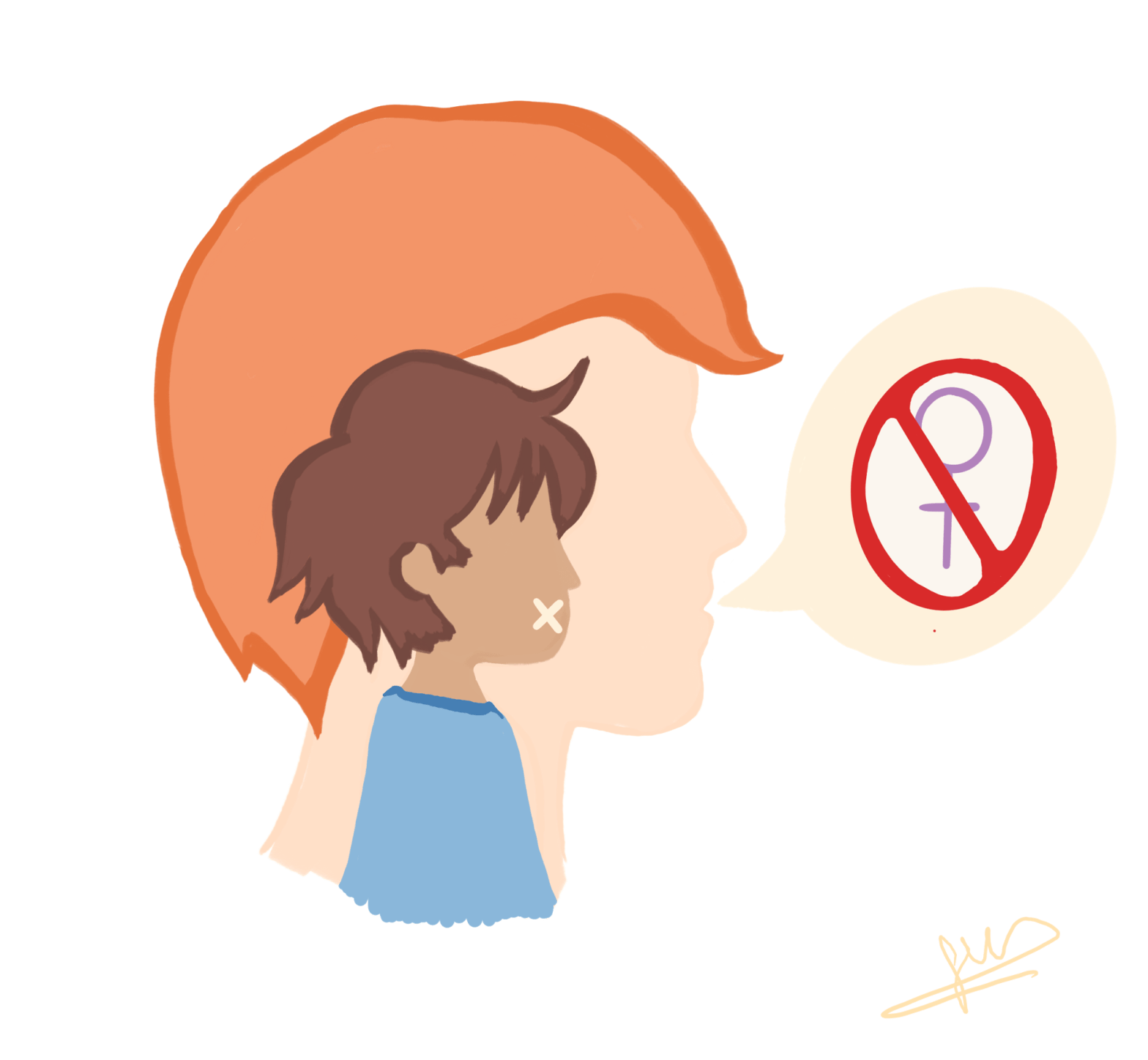
In order to combat sexual harassment, the Labour Party announced plans to help schools develop young male mentors to teach pupils how to question the material they see on social media from influencers, like Andrew Tate.
Under the same proposals regional teams will work with schools to train staff on introducing a peer-to-peer mentoring programme to tackle misogyny.
As with most young people today the word misogyny is a very loaded term. Society has a habit of falling into the trap of buzzwords without going into the detail of defining them. The dictionary definition of misogyny is hatred or prejudice towards women.
Nowadays, most infer the term misogyny to be solely based on hate towards women. With its increased use particularly in the media, the term misogyny has been used primarily as a determination of gender based violence, something which up to 9 out of 10 women are more likely to experience.
Labour’s plans look to peer groups and more young people becoming influencers to counterbalance misogynistic influencers head on. Yet how a term like misogyny is used is very dependent on the community it is used in. Will a schools-based approach work?
When young men are called out for their misogyny, this mostly comes in the forms of scolding or mirroring behaviour. It can create a difficult tension between empowering young men to disempower themselves when for some street environments might be dangerous. Understanding cultural norms and sensitivities is important.
In short, boys don’t like to be told they are misogynistic – ‘the more populist it is the more defensive they seem to get’. With 85% of a young person’s waking hours spent outside of the school day, and with around the clock access to social media, how does this relate to youth work and the direction it should take when teaching young men about misogyny?
A lot of the time young men don’t really know why they are demonstrating those behaviours, but for many they have never been asked about it before.
In an attempt to connect, youth workers must be prepared to listen to what the young men in their groups have to say. This supports the notion that safe spaces should be renamed to brave spaces.
1. Curiosity – explore masculinity and what it means to boys and young men
2. Reflexivity – try to think about how you impact the interaction at that moment
3. Interaction – keep them engaged and keep a sense of humour!
Young men being open can make them vulnerable with others.Validation is needed throughout these discussions with young men.
When dealing with misogynistic jokes and comments amongst young people, it is important for the youth worker to be brave and confident, but not to target an individual. Look at the situation as a collective and why it may be happening, because you are not trying to challenge one person but trying to change a culture and community.
In order to do this, youth workers must have a passion and interest in making these changes for the young people and take some responsibility for this. To have an understanding of what the issues are facing young men, and the different masculinities in different communities, is the best way to reflect and tackle the issue of misogyny.
Breaking stereotypes: Navigating misogyny with young men was hosted by the National Youth Agency (NYA), supporting an understanding misogyny in its many forms and how youth workers can become more aware of misogynistic behaviours amongst the young men they work with.
 Citadel