
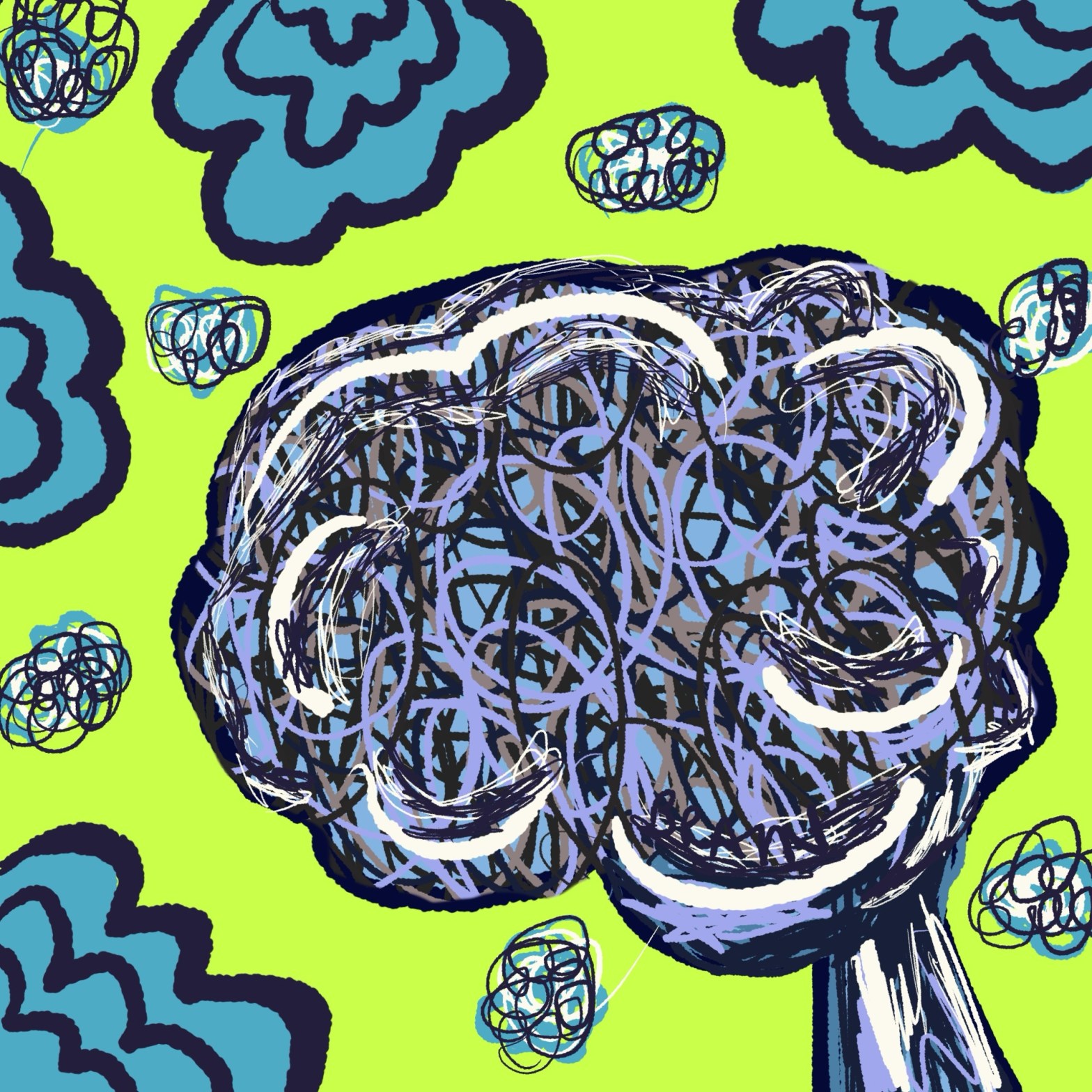
As we come to the end of mental health week this year (13th-19th May 2024), it is important to look to the future and see what plans and ideas have been outlined as necessary to help the mental health crisis, particularly amongst young people.
As a 24 year old who has suffered from many different mental health conditions from the age of 13, I understand just how important early care and mental health intervention is.
As Dr Camilla Kingdon, former President of the Royal College of Paediatrics and Child Health says,
“There is a huge evidence base for the importance of good mental health in childhood. However, sadly nearly 50% of lifetime mental health conditions are established by 14 years.”
According to a new report published at the end of April by Child of the North and Anne Longfield’s Centre for Young Lives, half of England’s school children are without mental health support teams and will still be after 2025 with the current plans in place.
The think tank puts forward a plan for the Government to boost children’s mental health via the education system.
Currently there are approximately 1.4 million children and young people (aged 8-17 years) with a mental health condition in England and a further 4 million children will not have access to mental health support in schools without further dedicated funding. Preliminary data from a study in Bradford of 5,000 children and young people, revealed a shocking rise of eating disorders and self harm in the area. Two of the priority issues causing detrimental mental health were also identified by young people as sleep deprivation and loneliness.
Additional resources may have helped me earlier in school. However, it will take a significant change of school-culture to be effective, for inclusive schools that embed young people’s wellbeing and life skills, rather than driven by exam data and ‘character-building’ that all too often pushes rather than nurtures young lives.
Much of that support stops at the school gate unless you are patient enough on a horrendous waiting list for counselling or lucky enough that your family can afford to ‘go private’. The thresholds for statutory services are very high.
So what can we do about it? The Centre for Young Lives calls for several recommendations to be made by the next Government. These are not limited to:
• Expanding the mental health support offered through schools and educational settings
• Supporting the creation of a network of ‘one stop shop’ local online NHS information hubs
• Harnessing the power of digital technology
• Tackling the upstream determinants of poor mental health
• Addressing the workforce crisis in educational psychology provision
This is an attempt to respond to young people’s needs, not simply to react to a crisis. Nevertheless there is a very real mental health crisis in young lives. New community hubs for young people’s mental health are due to start in some areas funded by the NHS, including with the charity Brook in Cornwall providing wrap-around support and in the transition to adulthood.
Back in January 2024, The Labour Party released a Child Health Action Plan.
With over 200,000 children on an NHS mental health services waiting list in England, Labour have promised to cut this in half by recruiting thousands more staff and introducing specialist mental health support in every school.
Since then, Labour has carried out a further review of early help and prevention for mental health across all ages, yet to be published.
What we want to see from whoever is the next government, is a commitment to provide mental health support for children and young people throughout the course of their lives.
After being diagnosed with anxiety at 13, depression at 14 and a further panic disorder during COVID-19 at the age of 20, I have experienced first hand the difficulties of being a young person with poor mental health.
Whilst my school was ill equipped to support or even recognise my special needs, I was also hyper aware of the lack of resources provided for young people once they have left school.
The emotional, physiological and mental development of young people does not end until they turn 25, yet, as experts have previously said, untreated lifetime mental health conditions are established by the ages of 14.
The recurring theme I encountered throughout my mental health journey as a young person was that if you didn’t have the money and support to go privately for help, you most likely wouldn’t receive any. The public mental health services have so little funds that the small amount they do have is used to support children and young people after something traumatic has happened, rather than to prevent it.
The next government must reassess funding priorities to address the shocking number of those who have no or have to wait years to access basic mental health prevention. This, combined with more specialist support in schools, a safe and recurring place in a child’s life, will take some of the strain out of an overburdened system and better prepare young people for the rest of their lives.
 Citadel