
Rebuilding trust after the summer riots
When the media moves on, what’s left behind in communities damaged by the riots that raged in summer 2024? The political ramifications for society are reported still, but what of the young lives in those areas, how are they supported now and to give hope for the future? On the day the government announced its plans for a new national youth strategy, we talked with Walton Youth & Community Project three months on from the August riots.
Walton Youth group coordinator Darren Simpson told us: “Our response is to support children and young people through early intervention and the use of detached youth workers and mobile youth bus. They don’t necessarily want to attend centre-based provision to show a positive response. Rather they want to feel safe with somewhere to go and have someone to talk to, be heard.”
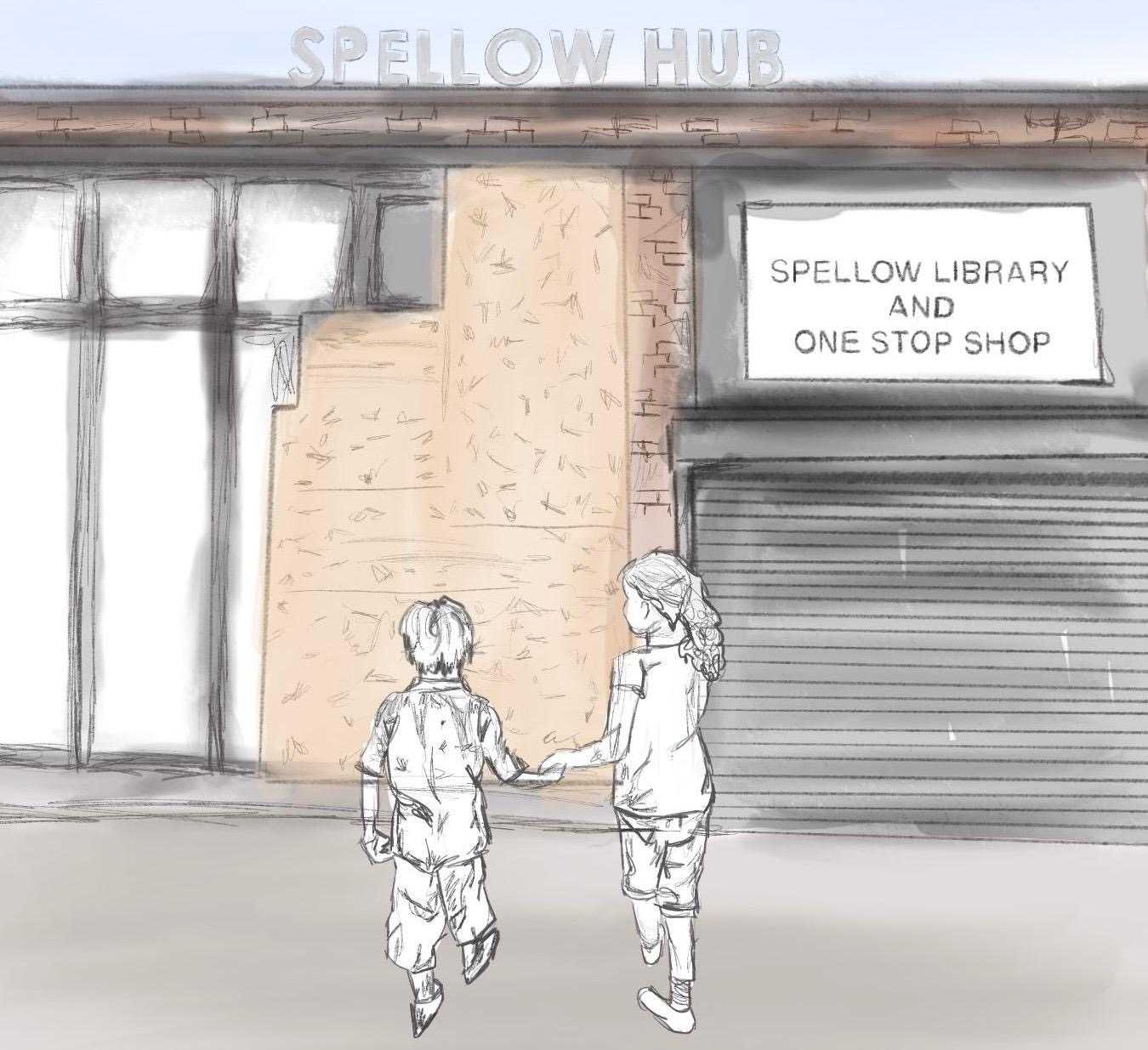
The August riots had spread to County Road in Walton, following previous violence from an anti-immigration demonstration outside St George’s Hall days before. Around 300 people were involved in the unrest, beginning in front of a shop that held a prayer room above it. The locals were affected as the Spellow Lane Library Hub, opened last year for deprived communities, was set on fire, and shop front’s were damaged or broken into.
Following the attacks, local youth group, Walton Youth and Community Project were a pivotal organisation in aiding with the clean up and support across the community. Youth workers had been messaging the young people that they work with and “they were hiding under the beds having panic attacks.”
In response to the library burning one young person, 13, who had delivered a session with the youth group there earlier that year said, “We have done work there with Feeding Liverpool and it was just like, why would someone do that? They’re saying the riots are for the kids but if it’s about the kids then why are you burning down a library that’s for kids?”
Darren, other youth workers, volunteers, parents and their children who have been using the much needed services of the project for over 50 years, were all there to lend a hand and support in clearing the debris from 8am the days after the attack.
Yet there are challenges remaining which cannot be swept away. Youth workers are left to pick up the pieces, supporting young people and families to find their way through the trauma and legacy of the riots, rebuilding trust and community relations. There is great resilience in the community and many of the local institutions and community leaders. However services are threadbare and youth work is run on a shoe string.
Walton youth worker Katie Duffy recalls events and how Walton Youth and Community Project are still dealing with the aftermath of the riots: “As youth workers it devastated us watching what was going on in the community we work in and the worry about the young people and families we worked with was at an all time high.”
“Feeling helpless and not being able to do anything was difficult for us as a team. All we could do was message and check up on young people and their families. Some families fled the area to stay with relatives outside of Liverpool also. Additionally, parents had put children in the rear bedrooms and turned lights off and told their children how to escape through the window if anything happened.”
“The following morning the atmosphere in the air was crushing; there were just feelings of unease and a cloud of sadness surrounding the area. We met with parents and young people who felt safe enough to join us to help clean up the main areas affected by the riots armed with bin bags and litter picks. This is just a mere 200 yards away from our centre and it was just devastating.”
“When one’s personal and professional values disagree with what happened, there is a conflict of values. Still, some children were caught up in the hype of riots and misinformation and now regret their actions of being involved after being encouraged by older members. A young person, aged 16, came back to the project seeking a trusted person to talk about their actions on the night of the riots. He is now really struggling with worry and his mental health from being involved and also potentially serving time in prison for his actions.”
“As a young person he needed someone to talk to and be listened to, and he found that person is one of our youth workers, who have supported him for many years now. They have described how he feels like he has let himself and his family down and has stated that he wishes he never disengaged with us when he used to attend the project. They may not be a regular attendee, but they know our doors are always open and have a safe space to talk to a trusted professional.”
What do we want to see from the government’s youth strategy, working with young people?
In October the Chancellor delivered the new government’s first Budget. Seen as a one-year ‘fix’ to a black hole in public finances ahead of a 3-year spending review due in 2025, youth work was overlooked. The government is now consulting on a national youth strategy. Meanwhile front line youth services face another round of austere cuts by many local councils in financial crisis. Locally, smaller grants and spot funding create a patchwork of support in areas such as Walton, but the overall spending on youth services is greatly reduced.
We need more safe spaces and facilities open to young people in the community, where they live. Whether that is youth centres, creative spaces, leisure, parks and libraries or shop-front drop-in centres. What is missing from the equation is the essential role that youth workers play, not just running centres and activities but building longstanding relationships with young people and families across communities. Present for the everyday challenges and creating opportunities and experiences young people and their families.
 Citadel