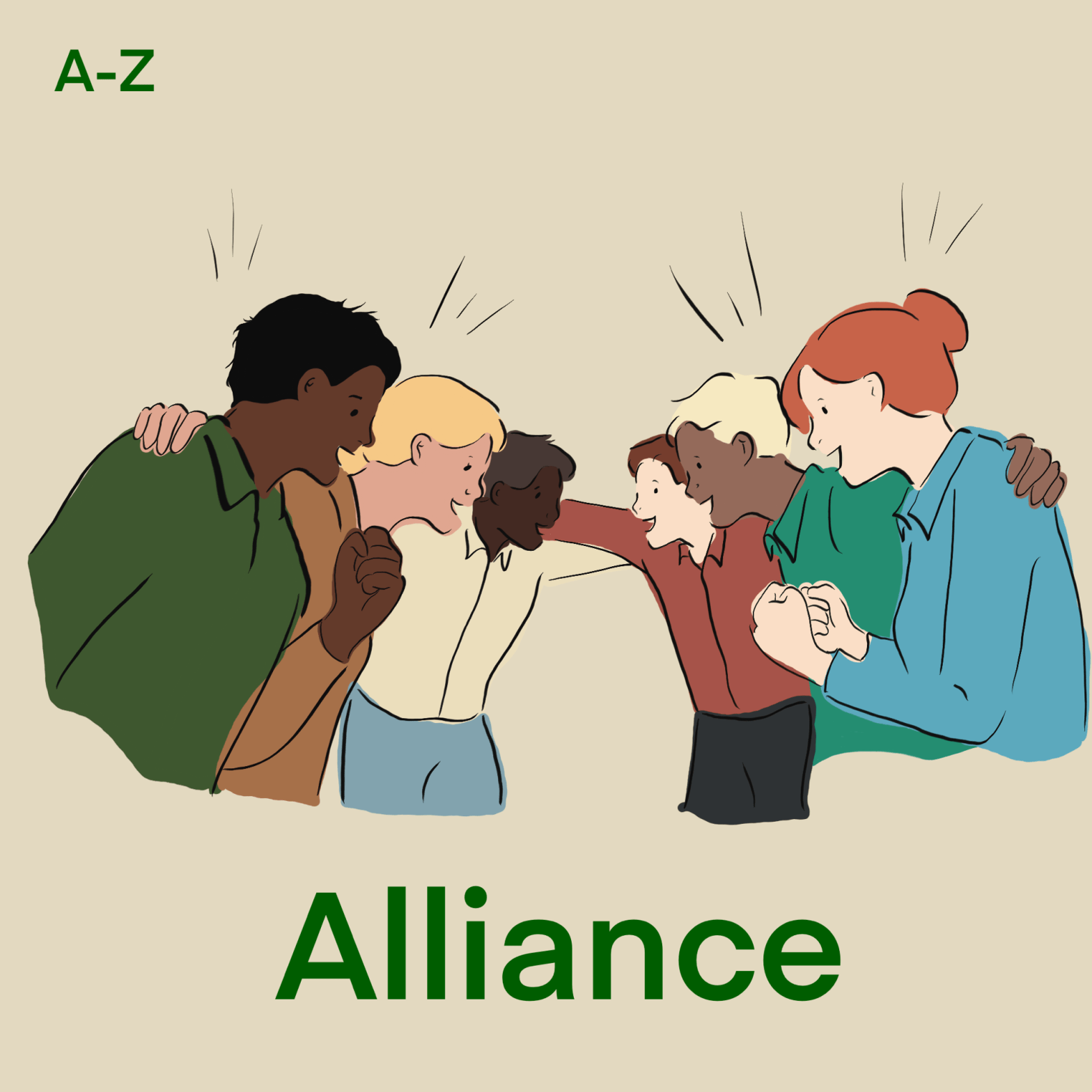
There have been significant alliances supported by Citadel over the last 20 years. An early client was the Get Fair anti-poverty alliance of all-age charities including Oxfam and Church Action Against Poverty, with its local groups and national lobbying of the then Work & Pensions Secretary Yvette Cooper.
As the 2008 financial crisis flared, the coalition called on government to deliver on the commitment to end child poverty by 2020, and to extend this goal to all ages. At the time 30% of children in the UK lived in poverty, and 23% of pensioners lived below the poverty line; “soaring fuel bills are likely to push more people into financial difficulties” and a need for more social housing and access to essential services.
All this has strong echoes of today’s cost of living crisis, 2025. Despite the ‘triple lock’ pension commitment, reductions in pensioner poverty seen before 2011 have actually gone into reverse. The number of children in poverty did decline more sharply up to 2011, then plateaued and has risen since 2013. The UK ranks 37th out of 39 advanced countries for child poverty. Tackling child poverty is now once again a government mission for 2025.
What of the charities working with children and young people over this period? Citadel’s work has included a more formal alliance that led to merger of Ambition (formerly Clubs for Young People), with UK Youth in 2018. This followed earlier consolidation of youth organisations that had seen the Confederation of Heads of Young People’s Services (CHYPS) fold into Ambition, and the legacy of the National Council of Voluntary Youth Services (NCVYS) picked up by UK Youth.
Today the strain on charities is apparent with financial pressures expected to lead to more closures and some mergers ‘for survival’. We look to government and a new Civil Society Covenant in 2025 – a compact between government, public services and charities – for a more strategic approach to help make the sector more resilient. This needs to be seen through a lens if civil society which exists with or without government: it is for public services to support civil society and not for charities, as the agents of civil society, to be filling the gaps of strickened public services.
More recently Citadel has supported charities coming together on campaigns and advocacy, ‘stronger together’. That’s included the Alliance for Youth Justice, in its reports and events that led to a summit in 2022. As well as the Back Youth Alliance which coalesced around successive government spending reviews and stewardship that included the National Youth Guarantee and youth investment fund from 2019; now geared towards a new national youth strategy following Labour’s election to office in 2024.
Perhaps the most significant work with an alliance was the Coalition Government from 2010-15, at a critical juncture for Citadel with a change of political administration, moving away from Labour after 13 years in power.
The Coalition shepherded in a new national strategy, Positive For Youth, as part of the Big Society agenda of the day. The strategy fell at the first hurdle of a change of Ministers in 2012 and removal of youth policies from the Department for Education, seen as a demotion in the priorities of austerity. The Big Society didn’t survive beyond the Coalition Government and its legacy of the National Citizen Service will end in 2025.
What comes next for young people, we wait to see after another round of reviews and consultations. How much will be decided in Whitehall or conceived in the regions as devolution increases place-based approaches. A fresh take on alliances, in the form of local youth partnerships, may be the order of the day as we continue to support charities and agencies working with children, young people and families across communities.
 Citadel