
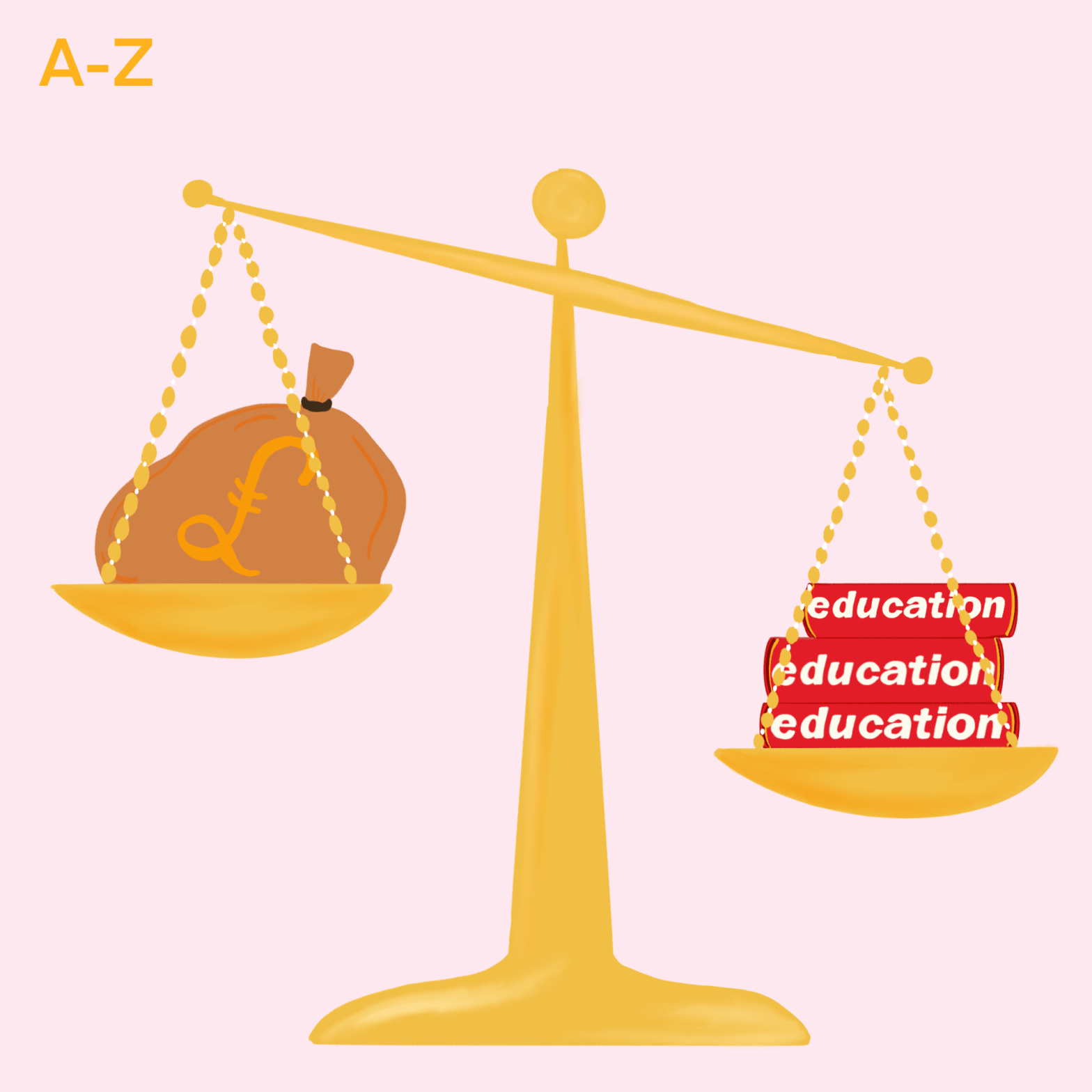
As the political mantra goes, our priorities can be found in Education, Education, Education. Over the last 20 years Citadel has worked with and promoted education in all its forms. Here we take a look at 3 examples.
Education: from pre-school through to universities and adult education, Citadel has run the gamut of formal education. With some 35 years supporting schools and colleges, experienced also in special needs and Alternative Provision, through legislation, guidance and curriculum reviews.
Over the last year we have majored in ‘breaking down barriers’ and creating opportunities for young people with additional needs, and to challenge earlier reforms which would have created a cohort of young people ‘left behind’.
Our work with Nacro supports 16-19 education centres and we were part of the Youth Employment UK commission to secure Level 2 education pathways under a new youth entitlement.
We have focused much of our work with schools on the government’s curriculum review, to open up the school day to greater creativity and subjects that engage young people from primary to secondary like design & technology.
As well as support for ‘inclusive schools’ in the report by Centre for Young Lives, and further exploring the role of academy trusts as ‘anchor institutions’ for education across their local communities.
Beyond school, Citadel’s work is rooted in our early days of raising the legal age of participation in formal education and training to 18 from 16 years of age. We have tracked changes through Further Education, Traineeships, T-Levels and Apprenticeships, and the expansion of Higher Education.
Now with the establishment of Skills England, looking to secure funding and opportunities with young people that further-proof skills and help young people into employment and lifelong learning.
Education: growing an evidence base for so-called enrichment education seeks to influence policy and practice to engender a love of learning, creating space in and outside of the school day for sports, arts, culture and enterprise, alongside citizenship and volunteering.
What young people experience at home and in the community impacts on the classroom. This can have negative effects for attendance, behaviour and wellbeing. The pandemic and cost of living crisis has also resulted in lower levels of engagement and greater levels of anxiety and mental ill-health.
Our work on education enrichment counters some of those negative effects and, in equal measure, helps to inspire and engage young people in subjects and activities which match to their interests. Learning skills and engaged in school-life which plays back into the classroom.
The case for enrichment has been led by the Duke of Edinburgh’s Award, with others, uniquely placed as a bridge between schools and out-of-school activities, and cited by Ofsted in guidance for schools on young people’s wellbeing. The link between enrichment and increased school attendance has also been made in a new report by the Centre for Young Lives.
Our work goes on to explore the potential of a universal offer of after-school clubs in secondary schools just as the government seeks to roll out primary school breakfast clubs. Each creating a safe and creative space for enrichment activities, and putting the school at the hear of the community for practical support of young people and families.
Education: making the case for youth work as education in non-formal settings to shape personal and social development with skills for life and work, and to improve a young person’s wellbeing.
Youth work is non-formal education with positive activities where learning is planned and intended, and a trusted adult youth worker who knows what is needed providing early help for a young person, and connected to wider services. It comes in all shapes and sizes, in different community settings, most easily recognisable when delivered at dedicated youth centre.
This has been the heartbeat of much of Citadel’s work over 20 years. At its height was the all-party parliamentary year-long inquiry led for the National Youth Agency in 2018-19, restoring youth work in government policy-making and, in 2020, the first government initiated debate in support of youth work; and setting up the National Youth Sector Advisory Board.
From work with NYA and as a learning partner to Children in Need, and others, Citadel has worked on legislation, statutory guidance, government spending reviews, research reports and evaluation to support an evidence base and advocacy for youth work.
Yet young people don’t live their life in silos. They learn in school, after-school and in their home life and leisure time. Building skills for life and work as independent learners with agency and enterprise.
This develops at different stages into adulthood, from transitions to secondary school, post-16 provision and first steps into further and higher education, employment and training.
This full range is captured by our work with The Roundhouse, as a commercial venue and creative enterprise, working in schools and partnerships, providing high quality experiences in the performing arts; and investing in youth work from 11-30 years of age.
It is truly an ‘Opportunity Centre’ of national standing as a beacon for London, serving its local communities. All through the power of education and non-formal learning.
Education at its best is fun and engaging, creative and enterprising: skills for life and work.
 Citadel