
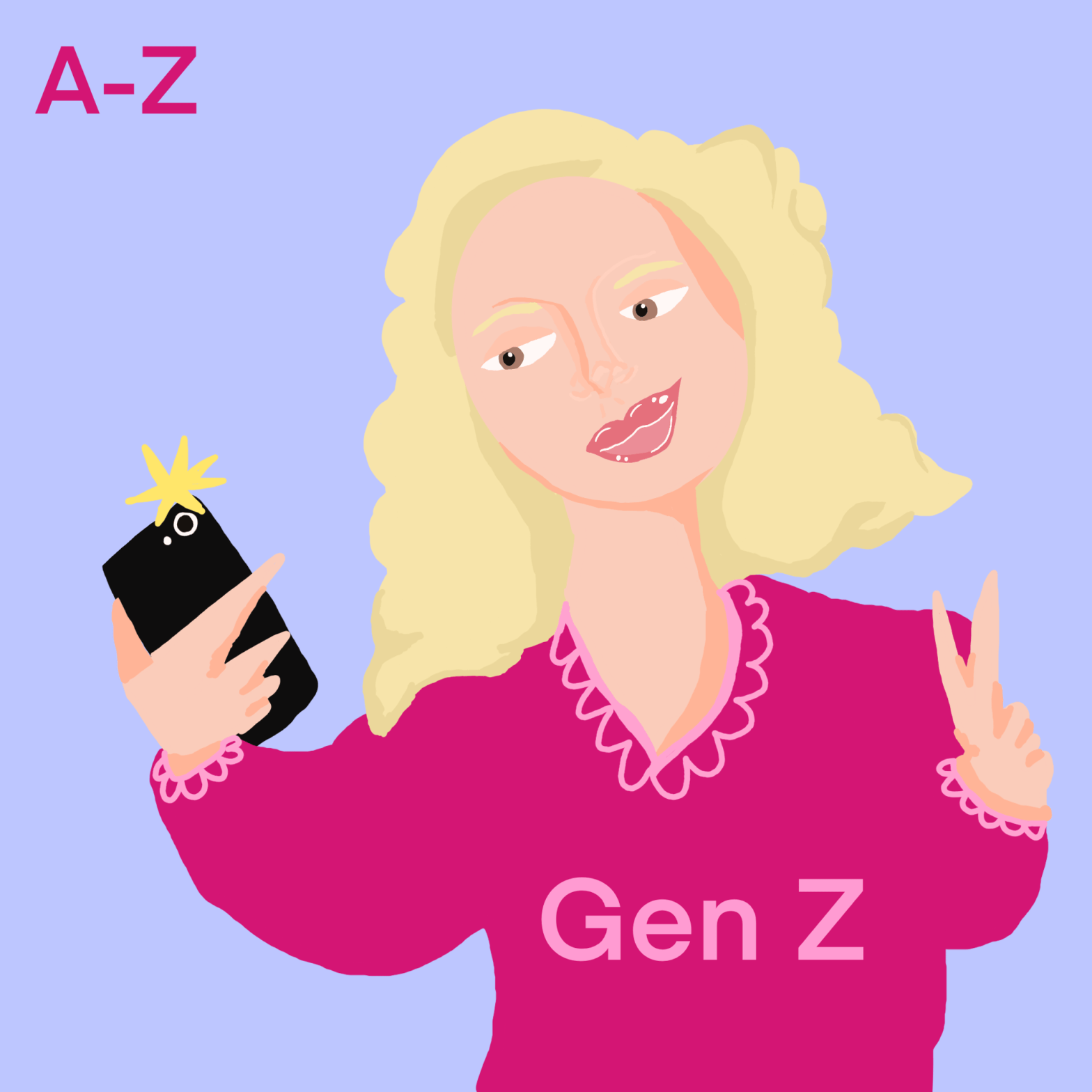
We close Citadel’s 20th Anniversary year with our A-Z of insights and experiences from across the years. It is fitting to end on Gen-Z, those born 1997 and 2012. Framed by the election of the New Labour Government in power 1997-2010, and the 2012 London Olympics. Taking the helm, our very own Generation Z Sian reflects on the changes she’s seen.
“Being born a Gen Z is like being born between the past and the future. We weren’t born with a smart phone in our hands but we were around to see how to manage technology and adapt faster than maybe our parents can. We can remember a time without social media and the internet, yet we also can’t imagine our lives without it. I find being a Gen Z to be complicated in this way. The access to information, news and pop culture being at our finger tips is a blessing and a curse.
As a generation we might be the most aware of current affairs and just as passionate, both for the less fortunate and for ourselves. But, we are also one of the most vulnerable. With such quick access to everything online we can miss the dangers that are forever progressing, both with deep fakes, rising hate and developing trends, that we can’t always keep up with.
In 2005 when Citadel was founded I was in primary school, becoming a teenager in 2012, the year of the London Olympics. It felt empowering to be growing up as a young woman. We were making massive strides for LGBTQ+ rights and body autonomy.
By 2016 as I looked to the future of university and employment, there were major global shifts. Brexit, like Trump’s first US presidency, felt like a blip at first. Despite not being glued to my phone I was hyper aware of all these events, particularly as it was spoken about very openly in my home.
In 2019 Brexit hardened with Boris Johnson elected as PM and global back pedalling on climate change led by Trump was met by school student strike. In response we saw the emergence of Greta Thunberg as an icon of youth activism. The pandemic took grip soon after, and we are still living with the fall-out of fractured lives and mental health crisis. Jobs for young people feel hard to come by – it is a challenge to get on the first rung of the ladder, and career moves are equally stunted for most young people.”
In 2025 the divide between haves and have-nots is a chasm. The change has been dramatic and the world of New Labour that were my formative years feels like another life time. Indeed it feels like we live in two worlds: the day to day living in education or at work; and the virtual world of social media. It’s almost impossible to miss anything if you own a smartphone. I don’t just mean current affairs, I also mean so-called news outlets and influencers calling out “fake news” and telling us the “real news”. How can I have witnessed such a U-turn in political climate and regression of beliefs and feelings about benefits, asylum seekers, women, the queer community and so much more?
We are told young people are the future, but we are also here now. It is left to us to clean up the legacy of the last twenty years. This doesn’t absolve the older generation of their responsibilities and we don’t have all the answers, but the time is ours’ to challenge and change the political narrative. Let kindness and compassion rein as we enter the new year with greater confidence for all our futures.”
Sian Hopkins is a freelancer writer and illustrator and an educationalist working in schools to promote healthy relationships.
 Citadel