
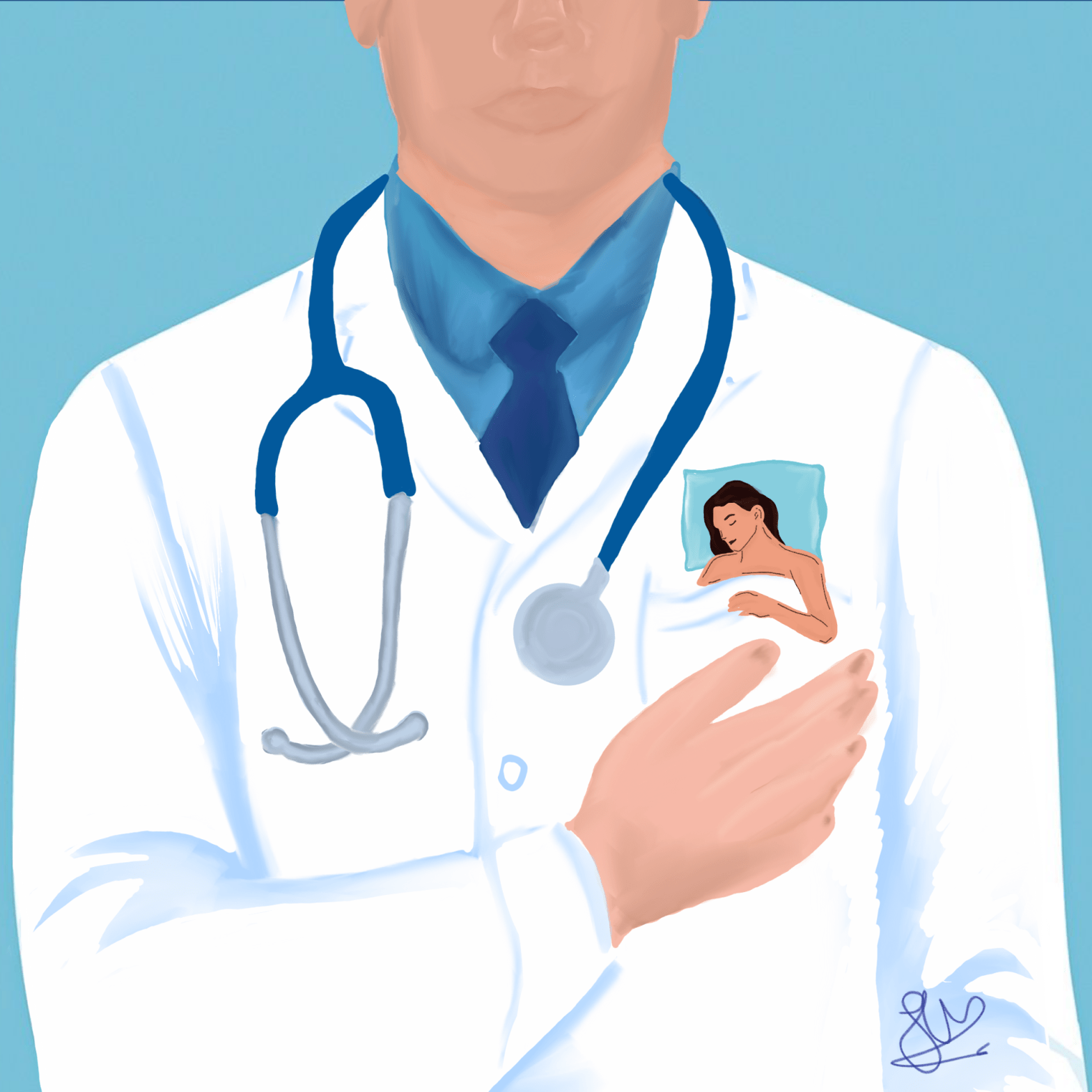
We each have personal experiences of the National Health Service, whether meeting our every day needs or emergencies, at times of great significance like childbirth or crisis. How is this institution viewed by the younger generation?
This World Health Day, we are looking at an important staple of the United Kingdom’s welfare state, the NHS. The National Health Service is the primary source of healthcare for residents and citizens across the UK, allowing them to get medical attention without having to pay extortionate amounts of money, like in some nations. This doesn’t mean there haven’t been attempts to change and whittle away some of the founding principles of the NHS, using the lack of funding and long wait times to move their own agenda forward. However, it’s important we take a look at these founding principles, before we look at the modern day challenges the NHS faces today.
When Labour Prime Minister Clement Attlee came into power in 1945, one of his first decisions was to set about creating a comprehensive welfare state, with the NHS at the centre. He stated, ‘We had not been elected to try to patch up an old system but to make something new … I therefore determined that we would go ahead as fast as possible with our programme.’ His next step was hiring South Wales miner and trade unionist, Aneurin Bevin as Minister of Health.
The 1946 NHS Act made the minister of health responsible for establishing “a comprehensive health service designed to secure improvement in the physical and mental health of the people of England and Wales and the prevention, diagnosis and treatment of illness […] and to provide or secure the effective provision of services. […] The services so provided shall be free of charge, except where any provision of the Act expressly provides for the making and recovery of charges.”
Aneurin Bevan as Minister of Health and recognised as ‘chief architect’ of bringing about the NHS, promoted his vision for the National Health Service and duties as Minister of Health by saying ‘No society can legitimately call itself civilised if a sick person is denied medical aid because of lack of means.’
These ideas are the very foundations behind the creation and development of the NHS across the United Kingdom. That, no matter what a person’ s circumstances, they deserve to receive medical care, regardless of status and financial means. These principles are carried forward, in the modern day, by all the hardworking and resilient members of staff that work throughout the NHS.
In today’s society, we have seen great scientific break-throughs and have a better understanding of what can affect our health and wellbeing. We now know that most ill health can be linked to external causes (poverty, housing, education, nutrition, and others) and this requires a new focus by wider society and the NHS on preventing disease and creating health.
However, there are many obstacles that both the NHS and those who work in it face, that would not have been predicted back when it was created in the 1940s. Since 2024, data obtained from the NHS Change website identified a range of challenges, reported by both public participants and NHS staff participants. For the public participants, the main identifying issues surrounding the functioning of the NHS included access to care and poor communication and coordination between services. Some of these complaints mentioned longer waiting times in A&E, lack of GP appointments and missing information transferred between different services.
In contrast, most of the obstacles facing NHS staff, that were collected within the survey, offer an explanation for many of the frustrations held by patients. From 2024, over 80% of staff answering the NHS Change survey reported staff shortages and 58% have a high staff turnover. The causes of this are made very clear: unmanageable workload, stressful work environments and poor mental health and burnout. With a large proportion of services being short staffed, other members of the NHS workforce are forced to pick up the extra work. The lack of staff offers an explanation to longer waiting times, less appointments and poorer communication between services.
The problems for recruitment and retention for the NHS, as seen by young people, is the relatively low pay and exhausting, long hours and emotional turmoil, particularly for those in public facing roles. Throughout the COVID pandemic from 2020, student nurses and doctors were expected to work in unknown conditions, with no pay and with out of date PPE. All too often, in this divisive world and political culture, they face abuse, discrimination and assault. Yet their dedication to public service and social justice sustains the NHS founding principles. Despite the near constant rhetoric of the need for change and funding crisis, and underlying modernisation to meet the needs of an ageing population, the fundamental belief is that everyone can access medical advice for free.
The NHS is part of the UK’s DNA. There are many obstacles, both politically and financially motivated, that face our National Health Service today. However it is important we don’t forget just how lucky we are as a nation to have it. For the politicians and decision-makers, while nothing can be taken for granted nor seen as a birthright or entitlement, our generation of young people are putting you on notice: we are resolute in our support of the NHS and united we stand behind behind its founding principles.
 Citadel