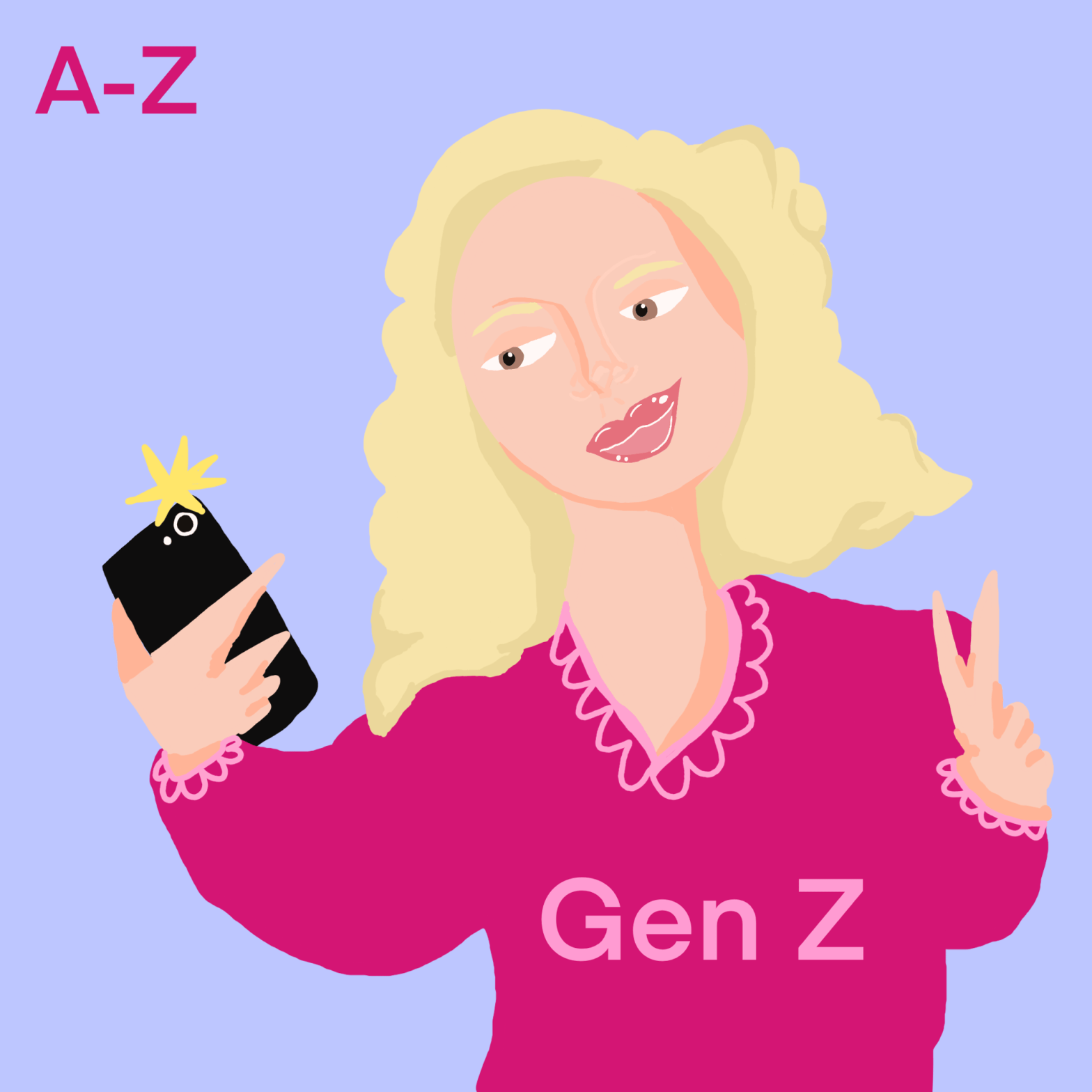
Z is for Gen Z

We close Citadel’s 20th Anniversary year with our A-Z of insights and experiences from across the years. It is fitting to end on Gen-Z, those born 1997 and 2012. Framed by the election of the New Labour Government in power 1997-2010, and the 2012 London Olympics. Taking the helm, our very own Generation Z Sian reflects on the changes she’s seen.

“Being born a Gen Z is like being born between the past and the future. We weren’t born with a smart phone in our hands but we were around to see how to manage technology and adapt faster than maybe our parents can. We can remember a time without social media and the internet, yet we also can’t imagine our lives without it. I find being a Gen Z to be complicated in this way. The access to information, news and pop culture being at our finger tips is a blessing and a curse.

As a generation we might be the most aware of current affairs and just as passionate, both for the less fortunate and for ourselves. But, we are also one of the most vulnerable. With such quick access to everything online we can miss the dangers that are forever progressing, both with deep fakes, rising hate and developing trends, that we can’t always keep up with.

In 2005 when Citadel was founded I was in primary school, becoming a teenager in 2012, the year of the London Olympics. It felt empowering to be growing up as a young woman. We were making massive strides for LGBTQ+ rights and body autonomy.

By 2016 as I looked to the future of university and employment, there were major global shifts. Brexit, like Trump’s first US presidency, felt like a blip at first. Despite not being glued to my phone I was hyper aware of all these events, particularly as it was spoken about very openly in my home.

In 2019 Brexit hardened with Boris Johnson elected as PM and global back pedalling on climate change led by Trump was met by school student strike. In response we saw the emergence of Greta Thunberg as an icon of youth activism. The pandemic took grip soon after, and we are still living with the fall-out of fractured lives and mental health crisis. Jobs for young people feel hard to come by – it is a challenge to get on the first rung of the ladder, and career moves are equally stunted for most young people.”

In 2025 the divide between haves and have-nots is a chasm. The change has been dramatic and the world of New Labour that were my formative years feels like another life time. Indeed it feels like we live in two worlds: the day to day living in education or at work; and the virtual world of social media. It’s almost impossible to miss anything if you own a smartphone. I don’t just mean current affairs, I also mean so-called news outlets and influencers calling out “fake news” and telling us the “real news”. How can I have witnessed such a U-turn in political climate and regression of beliefs and feelings about benefits, asylum seekers, women, the queer community and so much more?

We are told young people are the future, but we are also here now. It is left to us to clean up the legacy of the last twenty years. This doesn’t absolve the older generation of their responsibilities and we don’t have all the answers, but the time is ours’ to challenge and change the political narrative. Let kindness and compassion rein as we enter the new year with greater confidence for all our futures.”

Sian Hopkins is a freelancer writer and illustrator and an educationalist working in schools to promote healthy relationships.

S is for Skills

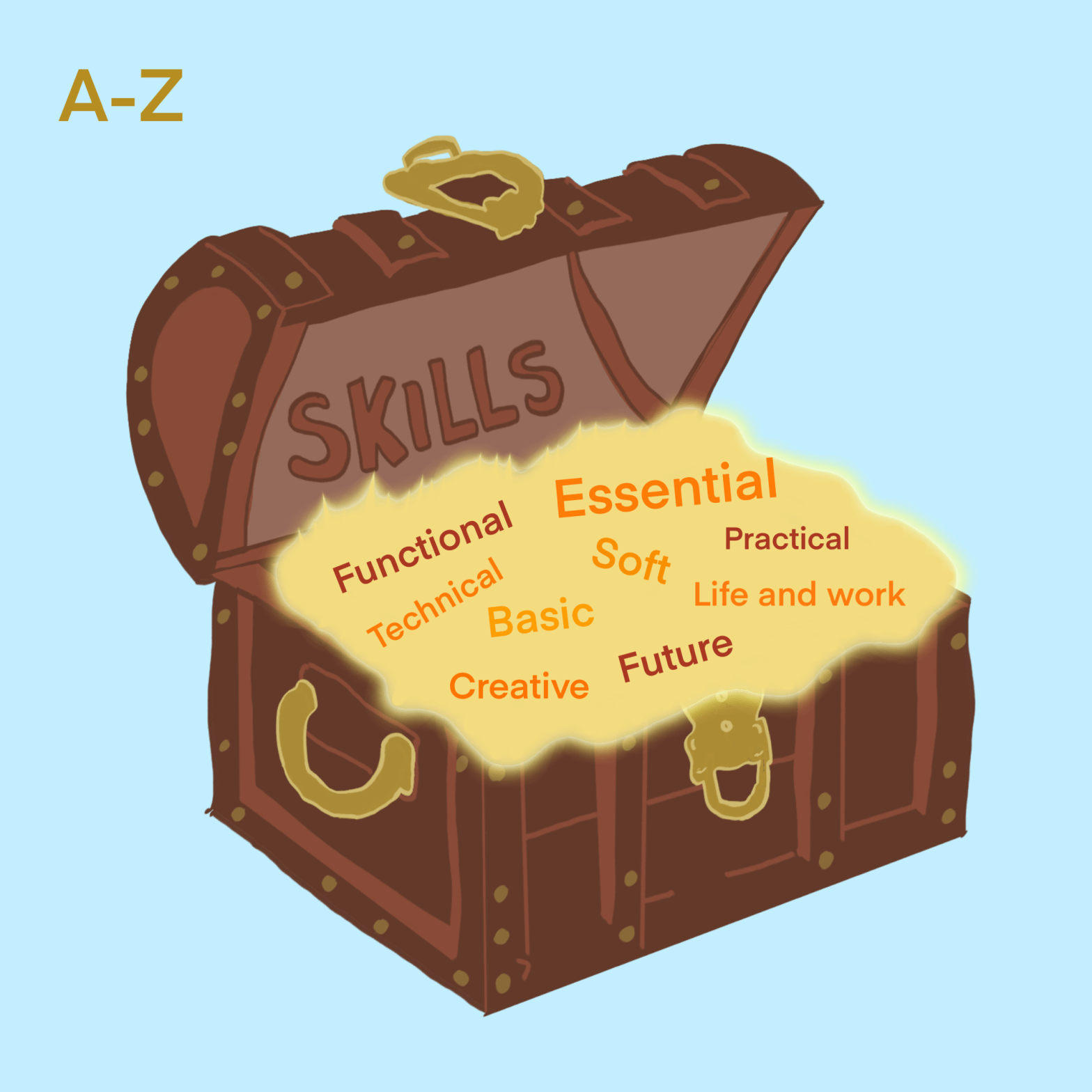
Basic skills. Functional skills. Essential skills. Soft skills. Skills for life and work. Future skills. Practical. Technical. Digital. Creative. Confused?

At its simplest, skills are the ability to do something well, learned through education or experience specific to a task or job, and often developed by training and practice. Skills can be learned, to apply knowledge effectively. They can be innate, a natural talent and aptitude honed through practice. In work, skills are the ability to solve problems and perform tasks to achieve desired outcomes, highly valued for productivity and economic growth. Transferable skills are crucial for future employability, from one job to another.

Yet in a rapidly changing world of AI and technological developments, which increasingly take over many of the tasks and work of day-to-day life, what skills are most prized?

We look to future skills, how to harness the power of technology to solve problems and counter the regressive effects of inequality and ever widening wealth disparities. Preparing young people for the known unknowns, to meet the global economic, social and environmental challenges faced and in everyday living.

There’s an ever increasing focus on personal qualities and competencies – life skills – like resilience and adaptability which underscore teamwork and socialisation, positive attitudes and creative thinking of ‘head, heart and hand’.

Young people face a churn of jobs, periods without employment and a future of increased leisure time, while supporting and caring for an ageing population. It is the population and social challenges that requires skilled and compassionate politicians to help navigate, not left to the manipulation of markets and divisive populists.

It is those political skills which will help educate, inspire and nurture democratic engagement and social leadership at all levels. Where politics is not seen as a dirty word and politicians are valued for their worth in deeds and not their words and rhetoric. Trust, hope, compassion and humanity are qualities we look for in progressive politician. Head, heart and ‘getting things done’ is the art of a skilful politician.

Citadel runs the Skills Hub in association with City & Guilds and Future Skills Coalition at the autumn party political conferences as a shared platform to explore all skills-sets and the collective impact for productivity and growth, and lifelong learning.

100 different parties

As we look ahead to party conference season, I score a rare century of annual conferences at the main three Westminster parties, and always the party of Government and Official Opposition.

Discounting the extra runs at Labour conference chalking up 38 years from my first job working for a local MP and batting away the online conferences that ran in the 2020 pandemic, I will make my 100th innings when I arrive in Bournemouth at Liberal Democrat autumn conference.

It all began with LibDems in Bournemouth back in September 1991, then representing the National Union of Teachers as a non-affiliated trade union. That first day I also met my now wife working who was working for a charity at the conference. Thirty-four years on as we embark on our 35th party conference season, we celebrate 100 conferences at our ‘Youth and Skills Day’ organised with the party on 22 September.

The batting order takes us next to Labour in Liverpool with our Youth Zone and Skills Hub fringe programmes and a record 70 events held in just 50 hours, supporting some 50 charities and including 50 young people over 3 days.

The final innings plays out in Manchester at Conservative Party conference, with a strong tail-end increasing the run-rate to complete 100 fringe events in 2025 alone.

Since 1991 we’ve seen 26 party leaders take to the crease, including 10 Conservative leaders, the election of 8 Labour leaders (letting slip the only 2 women interim leaders) and 8 LibDem leaders overall. The fast-pace of politics has moved on from Paddy Ashdown, Neil Kinnock and John Major as leaders. The era marked by the financial crises of 1992, 2008 and 2023 and punctured by 9/11, the Pandemic and global conflict brought closer to home with the saturation of social media.

To rest back some control of the messages, beyond the spin, party conferences have become increasingly staged and less obviously a policy making forum. The fringe has become more commercial, a necessary revenue stream for the parties. Yet with a vibrant fringe each of the political gatherings party conferences are a great market place of ideas and debate, side-bar discussions and campaigns to inform and shape future policies.

For those taking part in the conferences for the first time, protect your energy levels. Pad up and take a look at the field of events, picking out those you want to strike out and see. Soak up the atmosphere and take breaks, so that you’re not overwhelmed by the crowd and can bat through to the end. For the veteran conference players, pace yourself. We may be wise to conference, but ever mindful of the spin and occasional political bounce or slip-catch when organising events.

Of a career record and stories of conferences over the years, our proudest achievement is from our Youth Zone events first run with charity partners at the party conferences in 2010. That’s 15 years supporting over 1,000 young people to take an active part from a wide range of backgrounds and experiences. Some now in political office, and most still actively engaged in their communities.

Citadel runs the Youth Zone and Skills Hub at party conferences. The programme of events for conference delegates and visitors (conference passes required) can be found here:

Q is for Quiz

Holiday season is in full flow. It’s the time of year we can ‘take a break’ and turn to the summer quiz pages published in our favourite magazines, newspapers and online sites – and nostalgia for the summer specials in our childhood comics.

As we get ready to close Citadel’s doors for a fortnight of sun (hopefully!), seaside trips and relaxation, it seemed a good idea to publish a quiz of our own.

Since the turn of the year you will have seen our fortnightly blog, an A-Z of Citadel insights and experiences from 20 years in public affairs, reaching ‘Q’ today and completing the alphabet-run in December.

So, what do you know, and what’s new to you from Citadel’s worldview?

Let’s get started – an easy one:

a) Which year was Citadel founded; and for those with a closer eye on the detail, in which month?

Now, let’s put you to the test.

b) Who is Citadel’s longest-serving, continuous client? (Clue: this answer goes straight to the point)

c) How many years has Citadel run the Youth Zone events at the party conferences? (Clue: we started in the first year of the Coalition Government)

d) Our founder Jonathan is a national adviser on youth policies and an Associate of which think tank? (Clue: ask Baroness Anne Longfield!)

e) Who is our favourite client and partner we’ve worked with in the last 20 years? (Clue: trick question, but you know who you are…)

Quiz completed, an ice cream cone, a long-cool drink and a good book await. See you after our summer break when we launch headlong into the party conference season.

M is for Media

In an age of digital media, influencers and counter-factual truth, why bother with “the mainstream media”? As world leaders use the megaphone of social media and algorithms skew where you are heard, and what you see, polemic views gain ground and click bait headlines dilute political discourse.

For many it becomes overwhelming and they simply switch off and shut out world news. For politicians, it is a cacophony of noise that they have to make sense of, ever wary of the bear traps and pitfalls of journalist questions and media stories. Nuance is lost. Sound bites repeated ad nauseam prevail. Confidence and hope can be reduced to bluster and obfuscation.

In the world of public affairs, what’s the best way to get across your campaign messages and stories published in the media? Speaking to Citadel, long-serving Derren Hayes, editor of Children & Young People Now, said:

“In an ever more crowded market where it is difficult to gain airtime or column inches for your cause or campaign, it is vital to have a compelling story to tell and be sure your pitch speaks to the needs of the target publication’s audience. Too often I receive press releases that fail both of these tests.”

“Increasingly, editors are looking for content that offers their readers depth of understanding on complex issues and/or clear action points that they can take away to use in their professional or personal life.”

So where do we turn to and who do we trust to inform the issues of the day and reliably promote a particular campaign or cause?

Over the last 20 years, Citadel has tracked changes and benefits from a disciplined approach to media relations. First and foremost, securing media coverage is not an end in itself. To be effective it is just one part of communications to get your message across. Sustained over time media relations engages, presents and stimulates debate to garner support for changes to policies, services or opinions.

One constant is a carefully placed news-feature helps set the agenda. On the record comments and response from politicians can help give traction, prompting broadcast media to pick up the story, and featured online. A survey or poll will give a boost to the story, and sector specific media and journals give greater space for profile and analysis.

It’s important not to let go of the message, casting it to the wind in the hope of gaining coverage. Simply pumping out press releases or social media posts is political graffiti, seen but not heard, and rarely given much attention. Instead, knowing your target audience, a clear media plan will tailor and target the story each stage, ratcheting interest and maximising the chances decision-makers and influencers will hear the news across print, broadcast and online. This starts with concise and consistent messages that reduce the chances of misinterpretation and spin, while allowing media outlets and political commentators to add their own voice – not repeated parrot fashion – seen as credible and authentic.

And remember a good and engaging story has a beginning, middle and end. Know what you want and be clear on that from the start. When you add context to your key messages, highlight one or two points only which can be elevated to tell the story as a whole. When you conclude, use this to provide an answer, not just the problem, with a call to action – what to do – that avoids trailing off into a long wish list or rhetorical flourish.

Yet too rigid a media plan is a strait jacket. There’s high risk that a carefully planned feature is spiked or bounced out of a news-cycle by world events. Be prepared for false starts, and play the longer game, able to flex when and where to release your story.

Think of it as stimulating a conversation or extending a debate, to engage a wider public audience to shape the environment in which decisions are made. And be prepared to retell the story in other ways, from snappy social media posts to broadcast interviews, political briefings and policy presentations.

Children & Young People Now shares the 20th Anniversary of its Annual Awards with Citadel’s 20th year. The awards showcase innovation and outstanding practice across the children’s services sector, and champion those working with children, young people and families. The awards ceremony will take place on 20 November in London and, for the first time, with Citadel as a proud category sponsor.

J is for Jonathan

With Citadel turning 20 this year, it felt only right to dedicate blog J to our founder, Jonathan Hopkins. Although many of you may know him through work or from what you can read on our website, this blog will explore the paths he has taken, both professionally and personally, to end up where Citadel stands 20 years later. 

Born in the Potteries, Stoke on Trent, Jonathan grew up in the neighbouring market town of Newcastle Under Lyme. It’s an area that on the surface seems to have changed little over the years, but lift the lid and there has been a  devastating loss of local industry. Since the 1970s and 80s, Stoke and the surrounding area has faced massive economic restructure with the closures of coal mining, steel works and the pottery industry itself.

This shaped much of Jonathan’s early politics and, after university, he returned to Stoke working in his first job for a local, newly elected Member of Parliament. When asked how he first got into politics and policy, Jonathan commented:

“I’ve always had a strong interest in politics, both in the history of where we’ve come from, current affairs and a belief in where we we want to be going forward. 

“My studies in economics and history at school, politics and economics at university and subsequently a masters in politics and public administration, gave me a firm grounding that has informed my career since.”

It was not only his education that made Jonathan pursue a life in politics and positive change, but his life experiences at home. 

Raised in a single mother household and whose parents were social workers,  with three sisters later involved in teaching, nursing and starting up their own business, Jonathan has always highly valued public service and social enterprise. From resigning as a school prefect in protest over a headteacher’s decision, to being student college president at university and negotiating fair rents, he also demonstrated a strong sense of justice from a young age.

Jonathan left home for University and, in 1987, on the way to his final exam at Oxford, he voted for the first time in that year’s general election. A big day in his life on both counts! He then spent the summer applying for jobs and volunteering for a newly elected local MP, back home in Stoke. He was subsequently appointed as her parliamentary assistant, which led him to London and his first experience of the House of Commons. 

Jonathan was one of the early cohorts of researchers and parliamentary assistants, working for just 1 of just 41 of women MPs elected to Parliament in 1987, which was a record number at that time, exposing a lack of basic facilities including women’s toilets, a family room that was for “MPs’ wives, not children” and a shooting gallery but no crèche. He spent time working on many constituency issues, including the decline of local industries, and soon supported the front bench on national policies surrounding the environment and transport. This was the time of Mrs Thatcher’s “green speech” when the great advance was  the introduction of cheaper pricing of unleaded petrol at the pumps! The Climate Change debate has rocketed up the political agenda since, but with more recent regressive political interventions and denial by some political parties and world leaders, the climate challenges are accentuated.

From his early life as a school prefect and student college president, Jonathan had a passion for “what’s right” and working with others with a collective spirit to improve lives. This led him to become branch secretary of the trade union that represented all MPs’ staff, covering anything from the creation of job descriptions and fair pay scales to health and safety regulations working in parliament which is still designated a palace, exempt from many of the health and safety laws.

Through this experience, Jonathan found his next job as political aide to the General Secretary of a teaching trade union.  In his first few weeks at the National Union for Teachers Jonathan  attended all the party conferences in 1991, which set him on the trail to being a part of every party season since. Jonathan has taken part in every Government and Opposition party conference from 1991 onwards (34 consecutive years!).

The first conference had the most impact on Jonathan’s professional life, as it’s where the ideas for a national campaign on special educational needs took root. These ideas ultimately led to legislative change and multi million pound funding to improve access to mainstream schools for students and teachers with disabilities, which still continue to this day. Jonathan reflects on this time as having an important affect on his personal life also:

“My co-conspirator in designing that campaign, became my wife 6 years later. It’s with Jane that we later founded Citadel in 2005.”

“In my career, the success of that education campaign and day to day parliamentary liaison to build bridges between the union and MPs, led to the next stage of my career as a commercial lobbyist and director of public relations agencies. There I learnt new skills from the disciplines of advertising, marketing and media relations.”

From consumer goods in fashion and food, to regulated industries and public services, Jonathan developed a distinctive style and approach to public affairs, creating and shaping environments in which decisions are made, demystifying politics and aware at each step of the impact on the individual and the wider community. Yet as a board director at the PR agencies, Jonathan felt increasingly one step removed from direct client work – turning ideas into practice. Therefore Jonathan took the plunge in 2005 to set up Citadel, to stay closer to the clients and the causes that he supports. He has been a mainstay in consultancy since for education, skills and youth policies, and as a champion for young people and families, and equalities. 

As a father of two daughters, brother of three sisters and son of a single mother household, later sharing an office in Parliament with women MPs at the vanguard of equalities, and latterly in support of colleagues in the youth sector, equity and opportunity are cherished campaign principles. From street harassment to discrimination, misogyny and racism as hate crimes, disability rights, and tackling child poverty. 

Twenty years on, relocated back close to Oxford, helping raise a family and carrying the burden of being an ardent Spurs fan, what’s next for Jonathan and Citadel?

“Our work at Citadel embraces social causes, service reforms and early help in particular to improve young lives. Those insights and experiences have been the bedrock of volunteering and pro bono support of around 20 per cent of my time. From co-founding and chairing a multi academy trust and local schools’ governance, to being the first independent chair of a national youth charity for advice and counselling, and trustee of Clore Social Leadership supporting civil society and social enterprise. Great causes I am proud to be involved with.”

Most recently Jonathan was appointed to the expert advisory group on the government’s new youth strategy, and he leads on youth policies as an Associate of the Centre for Young Lives founded by Baroness Anne Longfield. This keeps young people front and centre of Jonathan’s thoughts and commitment for change, transforming young lives. And of course there’s the party conferences, with Citadel involving young people in a programme of events and activities for charities and party leaders. 2025 promises to be a bumper year with some 100 events scheduled across the three main conferences, creating a platform for the youth and skills sectors. 

There’s talk of writing a book and the eternal hope of Spurs winning the Premier League, each equally daunting and ambitious and, in part at least, unlikely! Meanwhile there’s plenty for Citadel and Jonathan to get on and do including new ventures working for Roundhouse and the arts, modelling practice and provision with young people in education, health and employment, and as a passionate campaigner for youth work. Influencing government, informing practice and supporting stakeholders locally – in the design and delivery of place based approaches and devolution  – provide the means and direction for Citadel, and its founder Jonathan. 

F is for Forward

In Citadel’s 20th anniversary year, the temptation is to reminisce and reflect on the past. Taking on board lessons from the past can help navigate the uncertainties of government and turbulent world events. However, it’s an opportunity also to look forward, and take a view on what we can expect and hope for in the months and years ahead. 

In all that we do and in the lives we lead, there are constant challenges that seemingly will never end. For those we work with there’s often no single solution or simple answer, or one-off campaign. Two charities we support are great examples of that. 

Forward Trust empowers people to break the cycle of addiction and crime, to move forward in their lives: “We believe that everyone can live a fulfilling life, whatever their past.” 

While Drive Forward Foundation helps young adults leaving foster or residential care to achieve their full potential, from care to careers: “Regardless of background and circumstances, we’re here to help young care leavers make some momentum, find their way in the world.”

As Drive Forward Foundation is also celebrating an anniversary this year, marking 15 years of supporting over 4,000 care experienced young people into careers, we spoke to Director Juno Schwarz about her role overseeing thefundraising strategy, policy engagement, and manage communications. 

“We have worked with over 200 employers and brokered around 2,000 jobs for young people, across London. Our work with Citadel has helped to align all areas of the charity’s work to amplify our advocacy for care-experienced young people, ensuring consistent engagement with key stakeholders, from policymakers to supporters and potential donors.”

“In particular, our Care Experienced Policy Forum, with 25 engaged members, is passionate about creating the conditions for looked-after children and care leavers to thrive in work and life. This ensures youth voice and lived experience is at the heart of all that we do.”

Juno continues, “From a two-person, founder-led charity, we’ve grown to a 22-strong team, and we’re now launching a bold movement to close the employment gap over the next 15 years. This includes long-term strategic goals such as developing a care-experienced apprenticeship model, a nationally recognised Employer Centre of Excellence, and a sustainable community leadership network.”

“We’ve worked with Citadel over the last year to support and elevate our policy efforts, particularly in navigating the pre- and post-election environment and building connections with key stakeholders. Jonathan has been instrumental in guiding us through policy strategy, facilitating crucial political relationships, and opening doors to invaluable opportunities like last year’s Labour Party Conference where some of our young people spoke and met with senior politicians and sector leaders.“

“Public affairs has a massive impact on shaping policy landscape and driving this change to help young people. With Citadel’s guidance, we’ve been able to amplify our impact in the political arena. This has been a key factor in our continued work to influence policy changes benefiting care-experienced young people, and we look forward to achieving even greater results together.”

What we learn from public affairs for such outstanding charities as Drive Forward Foundation and Forward Trust is to fix your eyes on the horizon and keep moving forward even when situations dictate a change of tack. Set clear goals for what the world can be. Be bold and ambitious in your strategy on how to bring about change. Plan how to get there, which parts we can affect now and who we need to get on side to secure change, step by step.

Citadel Christmas Calendar

The Citadel 12 days of Christmas, as calendar windows each day on UK politics since 2000.

(Illustrations by Sian Hopkins)

“Citadel was founded in 2005, rooted in public policy with a wealth of 30 years’ experience in communications and campaigns; specialist in youth policy, education and skills. Including 15 years hosting over 1,000 young people and charities at the party conferences, for youth voice and political engagement.”

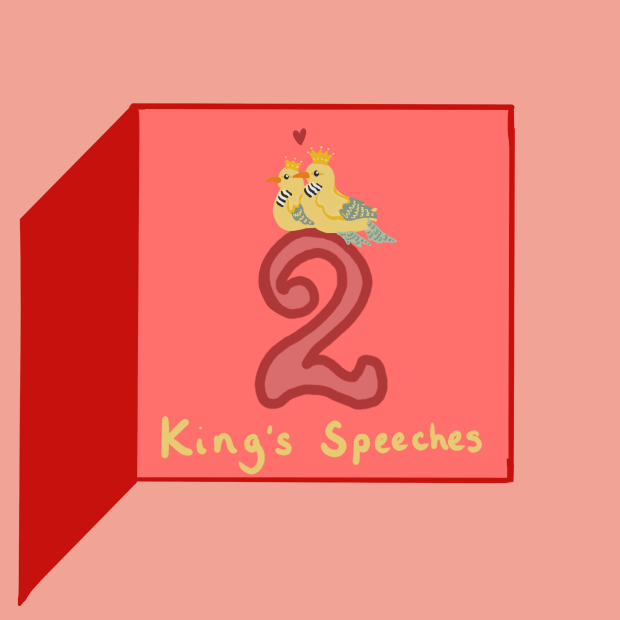
“2 King’s Speeches, in 2023 and 2024, with King Charles III who had also read the last Queen’s Speech when the Prince of Wales.”

“This year’s speech announced 40 Bills for primary legislation, including Children’s Wellbeing – to put children and their wellbeing at the centre of education and social care, and ensure children are safe, healthy, happy and treated fairly.”

Since 2000 there have been:

  • 19 Education and Skills Acts including reform of children’s services;
  • under 18 Secretaries of State for Education & Skills.

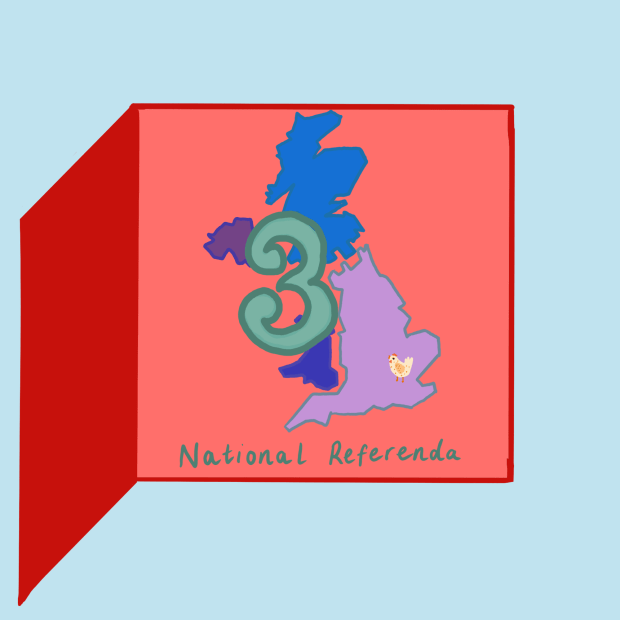
“3 national referenda since 2000 that shape our nation today, related to sovereignty, devolution and independence:

  • 2016: Brexit, UK
  • 2014: Independence, Scotland
  • 2011 Devolution, Wales

“Each resulted in seismic changes, albeit ‘a once in a generation’ ballot has not settled the question of the state of the Union and Scotland’s independence, and the realities of Brexit bite into the UK economy.”

“It’s worth recalling that 73% of 18-24 year olds voted to remain in the EU. While around 100,000 16-17 year olds voted for the first time in the Scottish referendum polling shows 71% voted for independence, but this falls to less than 50% when adding in 18-25 year olds.”

“A fourth referendum rejected changes for our voting system: 2011 Alternative Vote, UK.”

“There have been 4 Police & Crime Commissioner elections (England & Wales). With PCCs formed in 2012 and subsequent elections in 2016, 2021 and 2024, only 2 have served continuously since 2012: Sussex and Suffolk. In 2024 of 37 PCCs, 19 are Conservative, 17 are Labour and 1 Plaid Cymru.”

“There are 5 government missions with cross-cutting goals launched in 2024:

  • Clean Energy
  • Highest G7 Growth
  • Opportunity for All
  • Safer Streets
  • Future of the NHS

Re-set by the Prime Minister this month with the 5 missions turned into 6 so-called milestones by which the government will be judged at the next general election:

  • Raising living standards in every part of the UK;
  • Rebuilding Britain with 1.5m homes in England and fast-tracking planning decisions;
  • Ending hospital backlogs;
  • Putting police back on the beat;
  • Giving the children the best start in life;
  • Securing home-grown energy.

“There were 6 MPs first elected when 25 years old or younger, each known as the ‘Baby of the House’, since 2000. Sam Carling MP was elected at 22 in 2024; the youngest ever MP was Mhairi Black aged 20 (2015-24).”

“With 7 elections between 2000-24, young people 16-17 years old were not entitled to vote. Yet 7 elections did take place with young people voting. Votes at 16 was first established in Scotland for the 2014 independence referendum and subsequent local and Scottish Parliament elections, and since 2020 for Wales. Reducing the voting age to 16 was included in Labour’s 2024 manifesto, but is not included in the 2024 Kings Speech.”

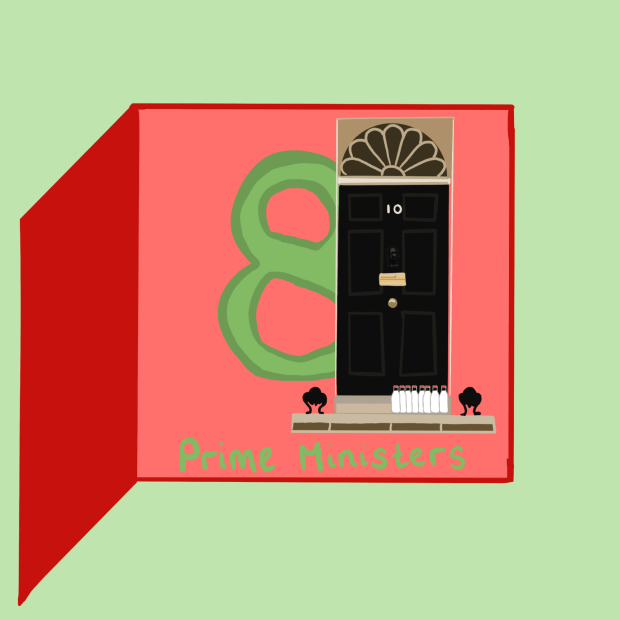
“8 Prime Ministers since 2000. The longest serving PM is Tony Blair first elected in 1997 to 2007; the shortest is Liz Truss of just 7 weeks in 2022. Over the last 9 years we had 5 Conservative Prime Ministers, including 2 women, the first British Asian PM, and 2 old Etonians.”

“9 years of a Conservative Government: elected as a majority government in 2015 and subsequent elections on 2017 and 2019. The party also shared power in Coalition with the Liberal Democrats 2010-2015. In 2024 we saw the election of a Labour Prime Minister after 14 years in Opposition.”

“Young people born since 2000 have grown up only knowing austerity, the pandemic and cost of living crisis. Two financial crises and the economic downturn post-Brexit have been overseen by 10 Chancellors, and resulted in £1 billion a year spending cuts to youth services over a decade.”

“The latest reset to the economy is being run by the first ever female Chancellor, Rachel Reeves, with the 2024 Budget and Spending Review planned for spring 2025.”

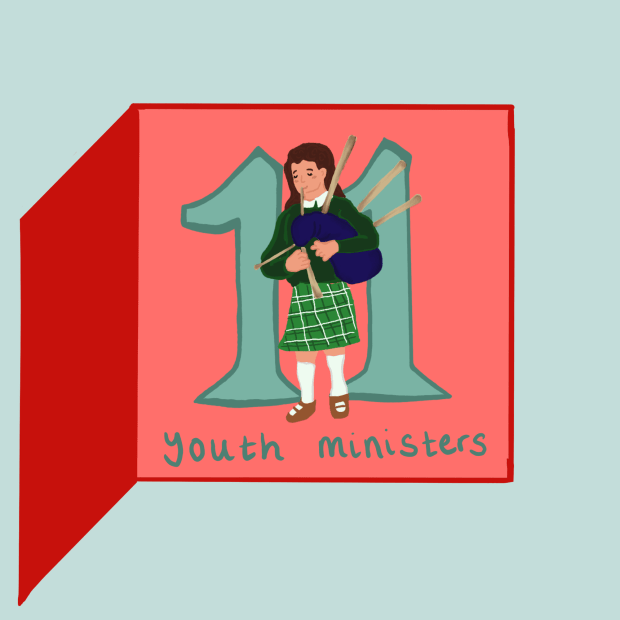
“Since 2000 there have been 11 government Ministers responsible for youth policy sitting in the House of Commons, excluding one Minister who lasted just 48 hours!”

“Two more sat in the House of Lords. But only 5 had youth or young people in their ministerial title, and only one had dedicated role exclusive to youth policy: Dawn Butler, Minister for Young Citizens and Youth Engagement, a role held for just 6 months prior to the 2010 General election. A churn of ministers and too often a lack of focus for young people and youth voice in government.”

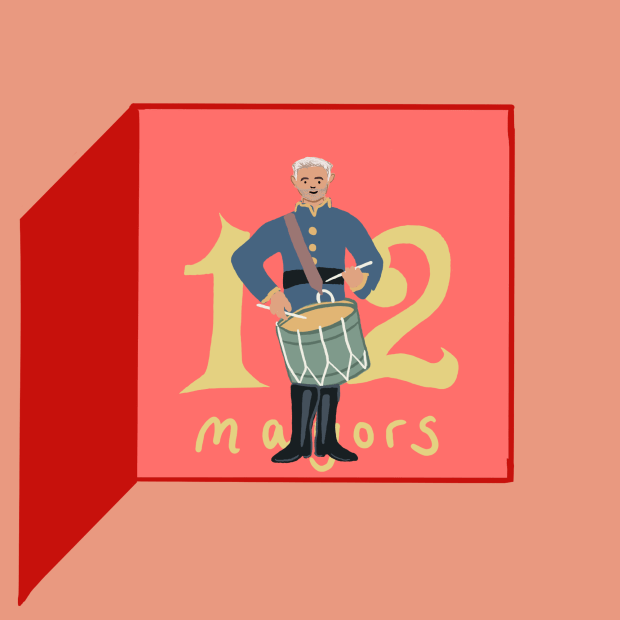
“There are 12 city regions with directly elected mayors each with devolved powers, and a total of 19 mayors elected since 2000. And a Devolution Bill coming in this Parliament for the English regions.”

A National Youth Strategy: what next for young people?

Rebuilding trust after the summer riots

When the media moves on, what’s left behind in communities damaged by the riots that raged in summer 2024? The political ramifications for society are reported still, but what of the young lives in those areas, how are they supported now and to give hope for the future? On the day the government announced its plans for a new national youth strategy, we talked with Walton Youth & Community Project three months on from the August riots.

Walton Youth group coordinator Darren Simpson told us: “Our response is to support children and young people through early intervention and the use of detached youth workers and mobile youth bus. They don’t necessarily want to attend centre-based provision to show a positive response. Rather they want to feel safe with somewhere to go and have someone to talk to, be heard.”  

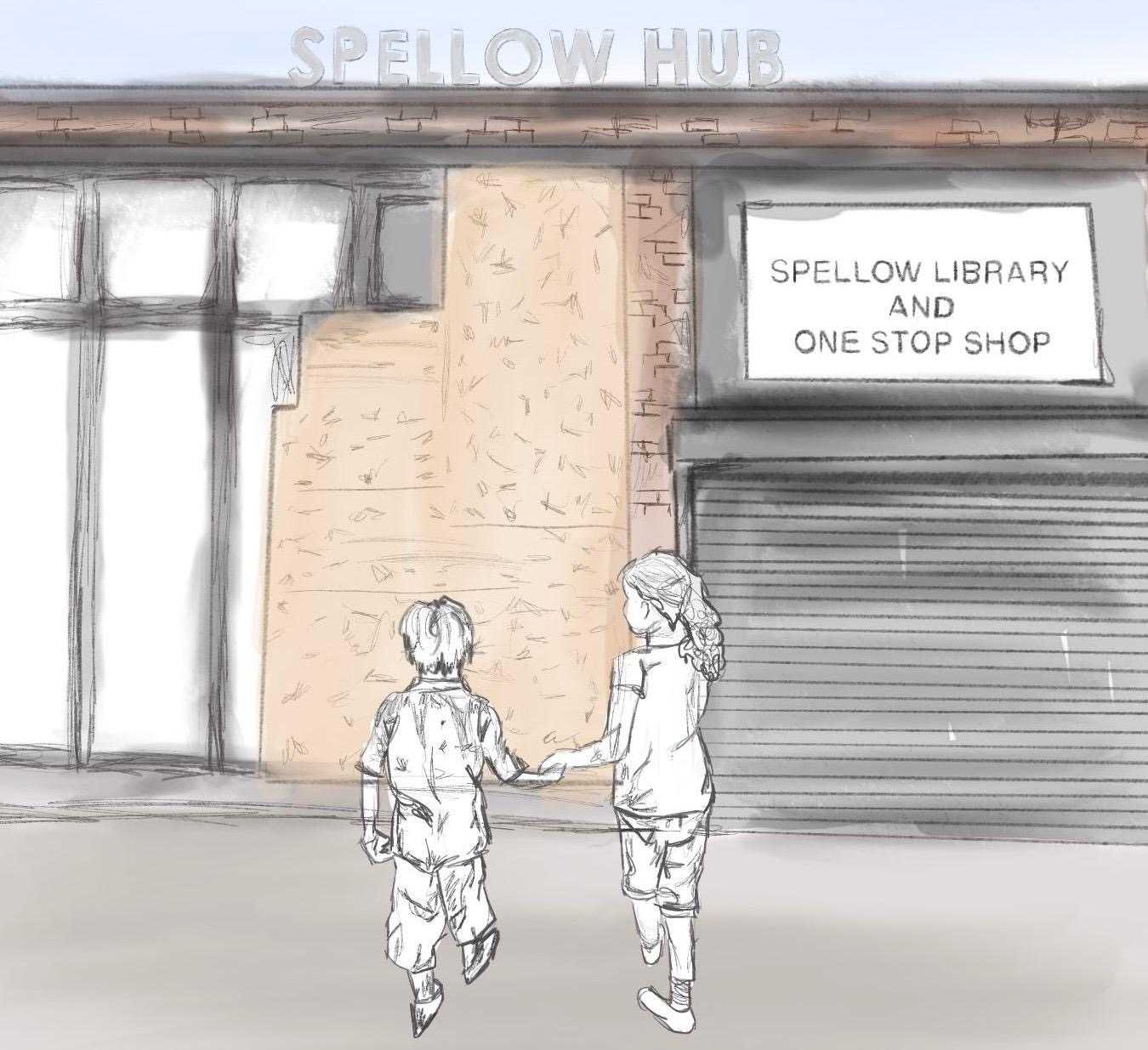
The August riots had spread to County Road in Walton, following previous violence from an anti-immigration demonstration outside St George’s Hall days before. Around 300 people were involved in the unrest, beginning in front of a shop that held a prayer room above it. The locals were affected as the Spellow Lane Library Hub, opened last year for deprived communities, was set on fire, and shop front’s were damaged or broken into. 

Following the attacks, local youth group, Walton Youth and Community Project were a pivotal organisation in aiding with the clean up and support across the community. Youth workers had been messaging the young people that they work with and “they were hiding under the beds having panic attacks.” 

In response to the library burning one young person, 13, who had delivered a session with the youth group there earlier that year said, “We have done work there with Feeding Liverpool and it was just like, why would someone do that? They’re saying the riots are for the kids but if it’s about the kids then why are you burning down a library that’s for kids?”

Darren, other youth workers, volunteers, parents and their children who have been using the much needed services of the project for over 50 years, were all there to lend a hand and support in clearing the debris from 8am the days after the attack. 

Yet there are challenges remaining which cannot be swept away. Youth workers are left to pick up the pieces, supporting young people and families to find their way through the trauma and legacy of the riots, rebuilding trust and community relations. There is great resilience in the community and many of the local institutions and community leaders. However services are threadbare and youth work is run on a shoe string.  

Walton youth worker Katie Duffy recalls events and how Walton Youth and Community Project are still dealing with the aftermath of the riots: “As youth workers it devastated us watching what was going on in the community we work in and the worry about the young people and families we worked with was at an all time high.”

“Feeling helpless and not being able to do anything was difficult for us as a team. All we could do was message and check up on young people and their families. Some families fled the area to stay with relatives outside of Liverpool also. Additionally, parents had put children in the rear bedrooms and turned lights off and told their children how to escape through the window if anything happened.” 

“The following morning the atmosphere in the air was crushing; there were just feelings of unease and a cloud of sadness surrounding the area. We met with parents and young people who felt safe enough to join us to help clean up  the main areas affected by the riots armed with bin bags and litter picks. This is just a mere 200 yards away from our centre and it was just devastating.”

“When one’s personal and professional values disagree with what happened, there is a conflict of values. Still, some children were caught up in the hype of riots and misinformation and now regret their actions of being involved after being encouraged by older members. A young person, aged 16, came back to the project seeking a trusted person to talk about their actions on the night of the riots. He is now really struggling with worry and his mental health from being involved and also potentially serving time in prison for his actions.”

“As a young person he needed someone to talk to and be listened to, and he found that person is one of our youth workers, who have supported him for many years now. They have described how he feels like he has let himself and his family down and has stated that he wishes he never disengaged with us when he used to attend the project. They may not be a regular attendee, but they know our doors are always open and have a safe space to talk to a trusted professional.” 

What do we want to see from the government’s youth strategy, working with young people? 

In October the Chancellor delivered the new government’s first Budget. Seen as a one-year ‘fix’ to a black hole in public finances ahead of a 3-year spending review due in 2025, youth work was overlooked. The government is now consulting on a national youth strategy. Meanwhile front line youth services face another round of austere cuts by many local councils in financial crisis. Locally, smaller grants and spot funding create a patchwork of support in areas such as Walton, but the overall spending on youth services is greatly reduced. 

We need more safe spaces and facilities open to young people in the community, where they live. Whether that is youth centres, creative spaces, leisure, parks and libraries or shop-front drop-in centres. What is missing from the equation is the essential role that youth workers play, not just running centres and activities but building longstanding relationships with young people and families across communities. Present for the everyday challenges and creating opportunities and experiences young people and their families.

Making A Difference

National Trustee Week: an interview with Clore Social Leadership

As the 4th to the 8th of November 2024 marks National Trustee Week in the UK, we sat down with the Chief Executive of Clore Social Leadership, Nadia Alomar and Citadel’s founder and Clore Social Leadership trustee Jonathan Hopkins, to talk about the importance of trustees and what they mean for charities and organisations. 

What does Clore Social Leadership do?

Nadia: 

Clore Social Leadership is dedicated to developing and supporting social sector leaders across the UK and beyond. Through programmes, resources and community-building, Clore Social empowers leaders who address social challenges, strengthening diversity in leadership, and investing in skilled, strategic and innovative programmes to drive systemic change. Our initiatives are designed to up-skill and platform social leaders, especially those from underrepresented backgrounds, and ensure they have the tools to lead effectively within communities and organisations.”

Jonathan: 

“It’s that long term impact which attracted me to Clore Social Leadership. While many charities do great things directly with communities and special interests, Clore Social helps build the capacity of organisations and community leaders now and over the long term. It does this with heart as a can-do charity, doing exactly what it says on the tin – ‘social leadership’.” 

How do trustees support that work?

Nadia:

“Our trustees are essential to Clore Social’s mission. They bring valuable strategic insight, ensure strong governance, and help us stay accountable and guided by ethical principles. They also open doors to important networks and partnerships, which are key to expanding our impact. In practice, trustees help us think strategically and creatively, they provide insights and networks from across the sectors and keep us focused and accountable to our strategy. Their support is key to keeping Clore Social innovative and on track.”

Jonathan: 

“I agree; being a trustee is as much about your commitment to a cause and the skills you can bring to the table, as it is the important role of strong governance. Trustees provide scrutiny and challenge, but their collective strength provides the support that an executive can draw on from experience, insights and networks. An inclusive, diverse board can provide vibrancy and views that add real value to a charity.”

What do you look for in trustees, as a blend of skills and experiences?

Nadia: 

“Clore Social values a broad mix of skills and experiences. We look for trustees who are familiar with both the challenges and opportunities that face the social sector. Key attributes include a deep understanding of leadership and learning within the social sector, with expertise and experience in strategy and partnerships, knowledge of innovative learning practices, and in creating inclusive environments for social change.” 

“Trustees who bring experience, composure, self-awareness and a steadying presence to the board, able to draw on their expertise to make informed decisions, suggest innovative approaches and approach complex situations. Equally, trustees with financial acumen and commercial insight – such as an understanding of pricing structures – and those who bring networks are especially valuable, as they help further Clore Social’s impact and financial resilience. Diversity of experience, especially in terms of lived experience and expertise within the social sector, are critical in shaping our direction. It is essential to ensure governance truly reflects the communities Clore Social serves.”

Jonathan: 

“It’s important to remember that trustees are volunteers. Yet being part of a charity board is a serious commitment. It can be tricky, one-step removed from operations and day-to-day support, but needing to be close enough to provide strategic guidance and practical insights when appropriate. Our varied backgrounds, experiences and day-jobs are a great advantage to the charity but, as volunteers, our time together can be limited. Meeting just 5-6 times a year as a Board, sometimes online, can make it challenging to get to know the issues and business at hand and to gel as a team of trustees.” 

“With thorough induction and allowing time for a trustee to find their feet, it’s the bond created with the executive team which can make all the difference, led by the Chair in creating a culture of support and the right blend of trustee skills. At Clore Social it means walking the walk, not just talking the talk, applying the principles of leadership to ourselves that we seek to instil in others through our development programmes.”   

Can you give examples when trustees have had the greatest impact? 

Nadia: 

“Two examples stand out. Firstly, at Clore Social, especially in a challenging financial climate and a period of ongoing uncertainty within the charity sector, the agility and responsiveness of trustees have been invaluable. Trustees who know when to provide a sense of stability and calm, and then when to bring urgency and refocus, have been critical. Their support was shown through their behaviour and actions as much as their words.”

“We’ve worked as a unified team, creating a culture where trustees and staff operate as one cohesive organisation. The second example is from a previous organisation, where we had a board of subject matter experts alongside a staff team responsible for marketing, operations, programme design and other core functions. This board-staff structure, with clear division of labour, allowed for collaboration, efficiency and exceptional quality in our work. This model of interdependent expertise across the board and staff was instrumental in driving high standards and delivering impressive results.”

Jonathan: 

“Those examples show the strength of charity trustees in very different ways. It illustrates the need for trustees to choose carefully which charity they wish to join and, in turn, for charities to make sure their role and structures are clearly aligned with the values and level of commitment a trustee is expected to provide. I’ve witnessed board meetings as a trustee and as an adviser to a range of charities and community groups. It is not sufficient to be a willing volunteer, giving time to attend meetings or to provide ad hoc support. Being a trustee is a distinctive leadership role which requires dedicated time and purposeful engagement on the issues faced by the charity and the communities it serves.” 

What support is needed for charities and social enterprise to deliver community services?

Nadia: 

“A lot of support is needed! Many organisations are stretched thin with limited funding, especially as demand for their services continues to grow. Sustainable, multi-year funding would make a real difference. Simplifying the funding application process and reducing administrative burdens would also give smaller organisations a fairer chance to compete and thrive. Investing in effective leadership, governance and staff development further strengthens organisations in the long run. Also allocating resources to help organisations recruit, train and retain staff and volunteers from diverse backgrounds brings invaluable perspectives, making service delivery more tailored and impactful.”

“Charities do their best work when they genuinely reflect the communities they serve, grounded in and supported by strong leadership. As part of that leadership, the role of trustees cannot be overlooked or taken for granted. To be effective, their role strengthens collaboration, helping everyone improve and drive greater impact.”

Jonathan: 

“Charities, community groups and social enterprise are – and have always been – an essential part of the society. It can be seen in their ability to respond to need and the agency to deliver change within communities. Yet civil society isn’t a cheap alternative to civic structures and public service. Rather it is the weave that holds the fabric of society together. Social leadership secures the capacity across communities and public services.” 

The government has published a Covenant Framework for civil society; how can we best ensure the quality, capacity and inclusivity of those organisations?

Nadia: 

“People are at the very heart of all of this: it is people who deliver services, build connections and work tirelessly to uplift communities and protect our planet. Supporting quality, capacity and inclusivity in these organisations starts with strong leadership and governance. Leaders and boards in civil society need the tools to create inclusive and resilient cultures within their teams. Striking a balance by embracing a range of perspectives, backgrounds and skills ensures our boards are both inclusive and effective, striving for continuous development in the face of evolving challenges and opportunities, and ensuring that services are both responsive and compassionate.”

“By aligning their approach with the Covenant’s core principles – recognition, partnership, participation and transparency – we can build a sector that not only addresses immediate needs but also empowers communities for the long term.”

Jonathan: 

“Trusted relationships are key and, as everyone knows, after the initial spark all relationships need constant work and attention to grow and flourish. This applies to community leadership – whether place-based in a defined area, or a community of interests – and with political leadership, at all levels of government, public services and business. Viewed as a whole, it’s the values, shared experiences and inclusive approach that Clore Social works to support that can be the backbone of a civil society covenant.”