L is for Listening

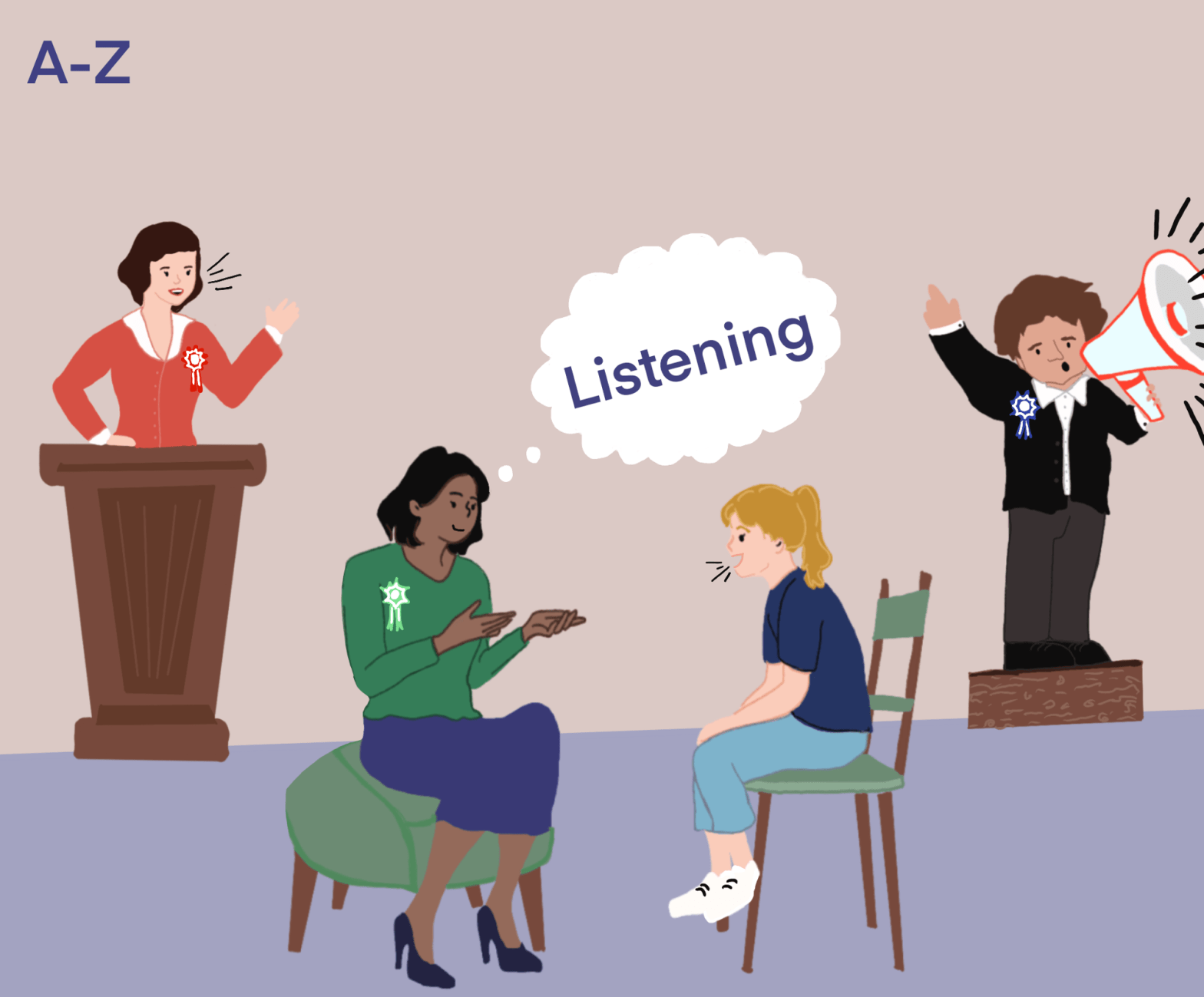
Learn to bite your tongue. Resist a ready quip at someone else’s expense. No insults are permitted. Avoid exaggeration and boasting – arrogance isn’t a pretty sight and jars on hearing. Instead, stop and listen, you may learn something new from those you work with and for.

Sound public affairs advice is based on a clear understanding of the problem or challenge others are faced with. They are the experts in their profession or lived experience. It’s our role, in public affairs, to take political soundings and engineer a way for their concerns to be heard, and to amplify – make a noise – when public campaigns are called for.

The greatest resonance is when the arguments are evidence-based, not hollow words. Less rhetoric and more the ability to tell a compelling story that politicians will listen to.

So what happens when politicians turn a deaf ear and the arguments fall on stony ground; or your words are lost with noises off competing for airtime? Warm words but no action.

We asked Darren from the Walton Youth and Community Project for his thoughts.

“Youth work begins with trusting relationships between young people and the youth worker. It’s about creating spaces where they feel safe enough to speak, confident enough to be heard, and empowered enough to act.”

“At Walton Youth & Community Project, youth work begins with listening – truly listening – to young people. Not just to their words, but to their experiences, frustrations, hopes, and ideas.”

“We don’t speak for young people—we work alongside them, so their voices lead the conversation and shape the solutions. That’s how power shifts, and that’s how communities are changed for the better.”

That’s the lot of most youth workers and campaigns over the last 20 years. Few have the range of experience and impact on young lives that youth workers are renowned for. Their skills and training and everyday experience, in the heart of the communities they serve, provide a trustworthy adult a young person will talk to, without judgment. Connected to services for support when needed, but principally there to give space and opportunity for young people to find their own voice.

Listen to youth workers and you’ll learn how to better understand and hear what young people have to say. Listen to young people and they’ll say it’s youth work that makes a real difference to their lives. Stop, look and listen and someday soon we may be heard, helping to transform young lives and rebuild our communities – to feel safe, be heard and live life better together.

Citadel and Walton Youth & Community have teamed up for this autumn’s party conference season, with young people supported by youth workers for podcasts and interviews with politicians, reporting from Labour and Conservative conferences. We will be taking a youth bus into the conference centres in Liverpool and Manchester, kitted out as a recording studio where young people will be listened to and debate issues with Government and Opposition MPs, Mayors and councillors.

K is for Kindness

Try hard, be kind. That’s a motto to live by. It’s one that, if applied to public service, would bring an end to the pernicious politics of blame, shame and hate.

Kindness is the antidote to ‘strong man’ populism in all its ugly forms. It commands empathy and compassion, essential to steer a course between the rock and a hard place of political decisions in a modern world, buffeted by global events and mass communication.

There are many hard choices and contradictions in policymaking, when viewed through the lens of government silos or single minded missions that are distilled into slogans and soundbites. Standing in others’ shoes changes that perspective.

It shows life to be messy, chaotic even. Mistakes are made, risks are taken that don’t pay-off, some decisions have unforeseen consequences. Yet when balanced by good intentions, and determination to get things right – to try hard and be kind – we can learn and progress, not pillory and regress into the machismo politics of denial and blame.

‘Cruel to be kind’? That’s an anathema to democratic values, and to humanity. Yet for many, the levers of power seem out of reach. The answer can be found in ourselves, and the politicians we choose to lead us. Try hard to understand, get involved, turn away from self interest and look to each other for support.

What does this look like? A tolerant society, stronger together. Each and every person confident in their identity to repel the cheap jibes of ‘woke culture’ and defenestration of diversity, equity and inclusion (DEI). A kinder politics will vanquish the spectre of misogyny and racism seeping into the mainstream and bigotry portrayed as free speech without consequence. It will defy hate of ‘others’.

Good people can make bad decisions. But when neighbours come together we can build bridges, not fortresses, of mutual respect and compassion. Kindness will prevail.

I is for Inquiry

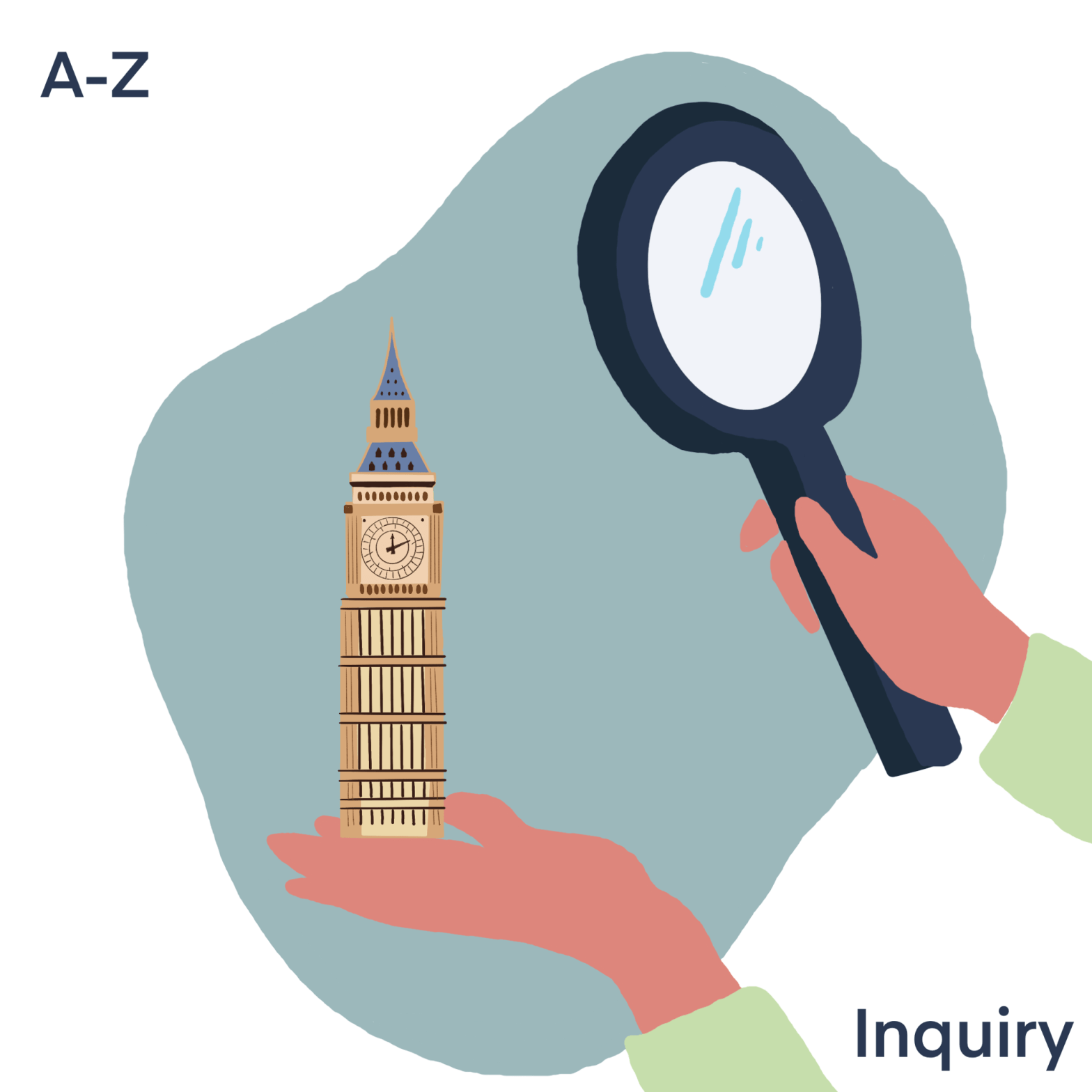
An inquiring mind is essential for effective public affairs and good policy making. It is to value curiosity and understand better how things work, to evidence what works well, and determine what good looks like. It means not to take things on face value and to look past any political spin.

An inquiry is as much about listening as it is talking, but knowing which questions to ask and when. While there’s no ‘wrong answer’ what’s said should not be a surprise, if the initial lines of inquiry have identified the issues and political insights. That is why interim reports mostly set out the political and policy landscape with key findings, while a final report models change with recommendations.

Over the last 20 years Citadel has drawn on our legislative experience and skills in responses to all-party parliamentary reviews, select committee inquiries, statutory guidance and government strategies. We have initiated and supported independent commissions and expert advisory groups.

From deep dive research in local areas, to focus groups and national polling, surveys and census. None so apparent as the rapid reviews for national reports which helped shape policies in response to Covid-19 during the pandemic with the National Youth Agency and for the wider youth sector.

Our work has focused largely on education, skills and employment, as protective factors for and routes out of poverty, breaking down barriers to opportunity and improving young people’s wellbeing. From a year long parliamentary inquiry into youth work, a review of post-16 education pathways, a new study on model services for 16-25 year olds, and the creative enterprise of young people.

Now also advising on the government’s national youth strategy under Labour 2025, having been around the table on youth strategies with New Labour 2008, Coalition 2012, and Conservatives 2022.

Such inquiries are not immune to the short term of the election cycle, with the threat that recommendations will be shelved by a new administration. However, evidence based policies cannot be so readily dismissed.

To be an effective inquiry there are lessons to be learned from the past, experiences in the present and an exploration of change for the future matched with fresh insights of young people, and open to new ideas from curious minds.

H is for Home

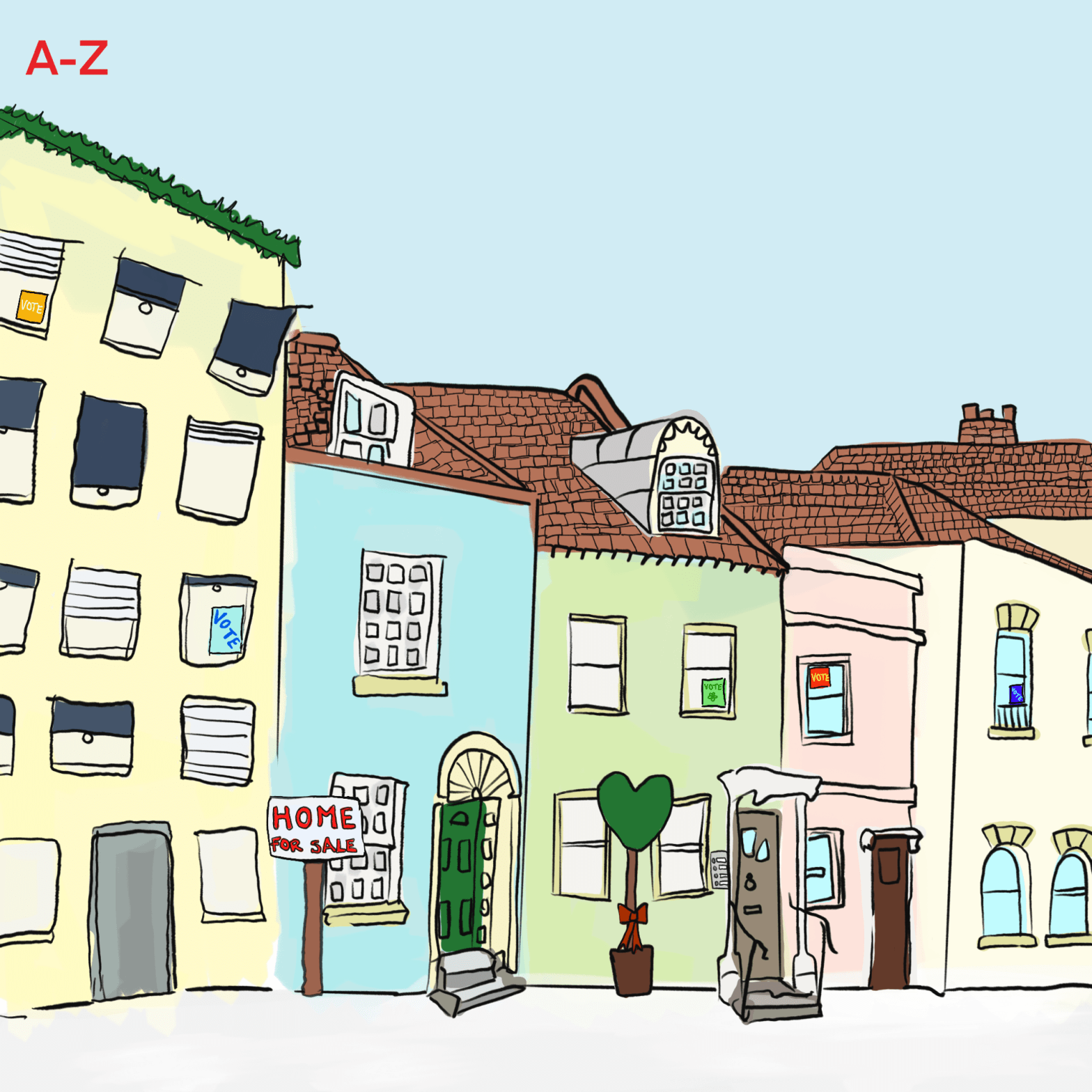
Home is where the heart is, as the saying goes. That’s a place where you can be yourself, somewhere you feel you belong. Finding a good home that is safe and secure with family, friends or neighbours to lean on for emotional support and compassion.

For some, they are looking to find their political-home. Voters who don’t feel represented, and mistrust politicians, when the political parties twist in the wind of world politics and populism. As politics impacts us all, who do we look to get involved and who can we trust on the decisions that matter to us most?

From pavement politics and fixing potholes locally to global crisis of climate change and wars, politics can seem chaotic and overwhelming whoever’s in charge. The easy answers of populists and simple slogans for ‘change’ distil complex issues into sound bites designed to appeal to a seemingly disengaged public at large. Yet this fails to engage us in politics, rather it provides a get-out clause for those who just want to trust politicians to get on and do what they say they’ll do. People’s levels of trust have little impact on their interest in politics.

Rather, populism and slogans galvanise the base and provide shelter and cover for like-minded souls. It may secure transient votes, but is less of a home. A political home – and good government – requires compassion and empathy that can support you through thick and thin, over time.

Reductive politics is who can put a pound in your pocket, to feel better off. Compassionate politics is looking beyond our differences with policies that replicate fairness across our communities; where the role of the state is to provide services that unite us as a society, for a sense of belonging and mutual respect. A society is built on trust and trustworthy politicians.

At Citadel, we have made our home in areas of social justice and in policies for education, health and employment in particular as they impact young people. Whether that’s for charities, business leaders, public services or government. Our longest serving, continuous client of two decades since Citadel was founded in 2005, is Centrepoint. Its mission is to end youth homelessness by 2037.

Affordable housing and accommodation for young people in crisis is needed. Yet providing a home is essential and built on firm foundations of strong relationships, health and work. It is to recognise our inter-dependence if we are to achieve independent living for all. As in politics and the governments we elect, it is to have faith and show humanity in how we treat others, if we are to be supported ourselves. Without compassion and humanity we have no place to call home.

G is for Grounded

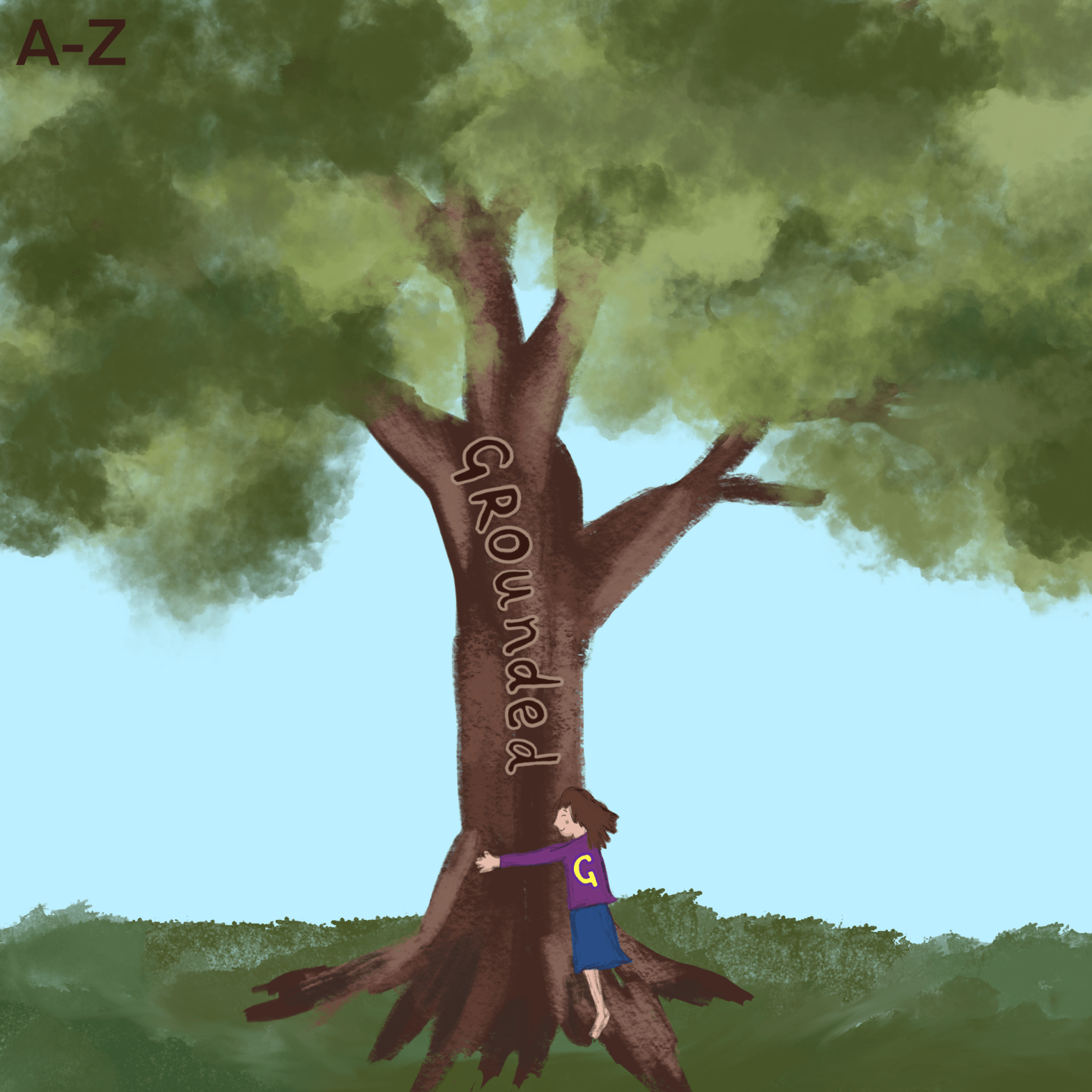
Effective public affairs is realistic in its goals, managing expectations when world events create turbulence and uncertainty. Yet bold in what can be achieved, by building reputations and relationships that can be sustained over time.

For the individual that means keeping your personal views and emotions in check, creating a safe space to listen and reflect, to provide the balanced insight and recommendations that are valued by others.

Each step forward makes sense to those involved, not a leap into the void. This ensures any proposal or action is truly grounded, based firmly on the evidence as presented.

For the organisation and government, this underpins effective policy making and builds trust in what you say and do. Sensible, realistic and unpretentious. This doesn’t mean unexciting and unambitious, but seen as authentic and not masked by the smoke and mirrors of spin doctors and populists.

For the best part of 20 years, Citadel has worked with and supported Groundwork UK. Few other charities match so closely our work in public affairs. In setting goals that tackle global issues of the climate crisis grounded in local issues of neighbourhood renewal, and involving young people as part of their communities.

Rooted in communities Groundwork helps identify issues and barriers to opportunities with young people, and in creating opportunities where they live. This builds the capacity and agency of young people within their community to bring about change: more green spaces, green skills and jobs, and shaping places where people want to live and work.

Our latest work is in support of youth employment and careers – New To Nature – for an inclusive, diverse workforce as the new generation delivering across communities towards a greener future. Sensible and practical policies, grounded in everyday lives.

E is for Education

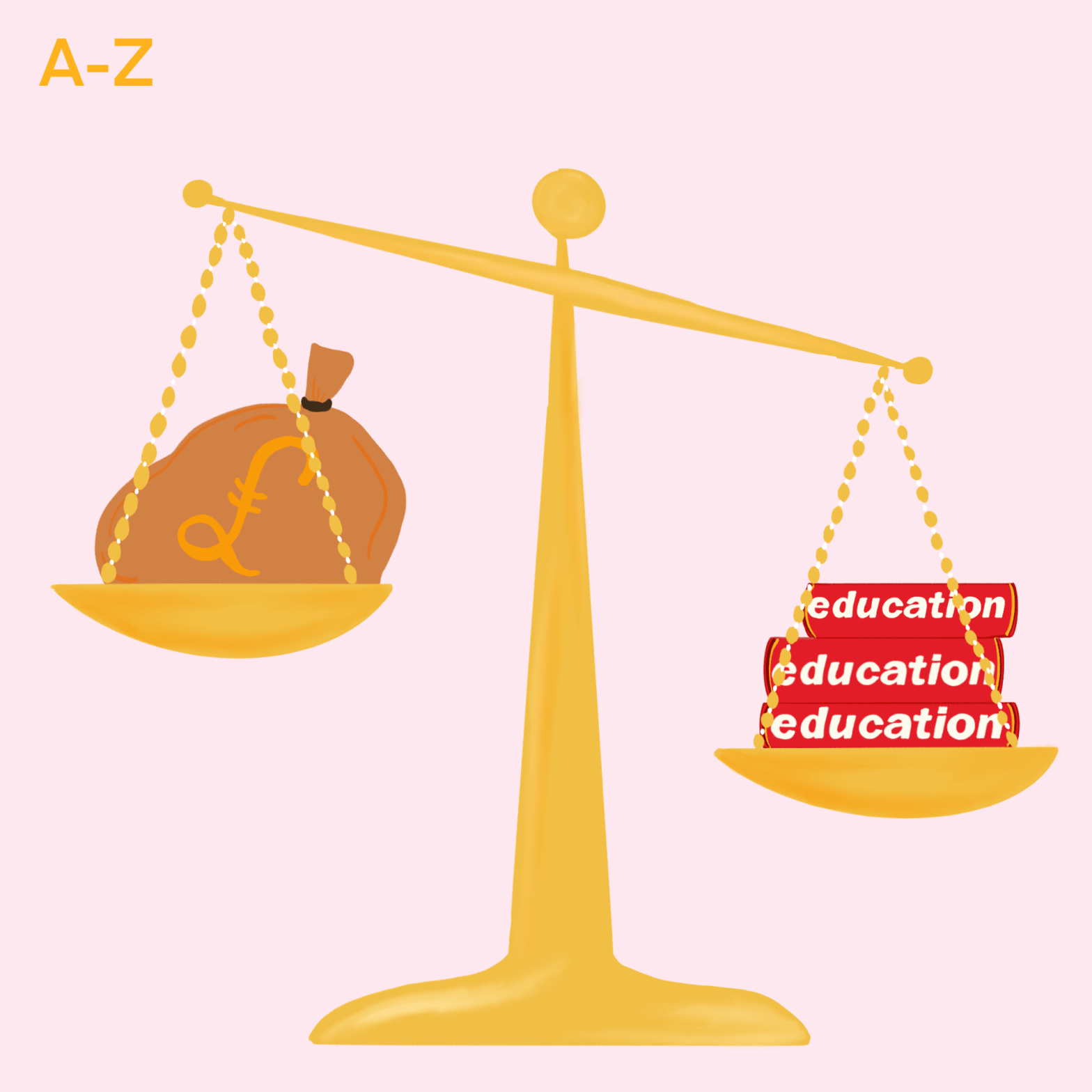
As the political mantra goes, our priorities can be found in Education, Education, Education. Over the last 20 years Citadel has worked with and promoted education in all its forms. Here we take a look at 3 examples.

Education: from pre-school through to universities and adult education, Citadel has run the gamut of formal education. With some 35 years supporting schools and colleges, experienced also in special needs and Alternative Provision, through legislation, guidance and curriculum reviews.

Over the last year we have majored in ‘breaking down barriers’ and creating opportunities for young people with additional needs, and to challenge earlier reforms which would have created a cohort of young people ‘left behind’.

Our work with Nacro supports 16-19 education centres and we were part of the Youth Employment UK commission to secure Level 2 education pathways under a new youth entitlement.

We have focused much of our work with schools on the government’s curriculum review, to open up the school day to greater creativity and subjects that engage young people from primary to secondary like design & technology.

As well as support for ‘inclusive schools’ in the report by Centre for Young Lives, and further exploring the role of academy trusts as ‘anchor institutions’ for education across their local communities.

Beyond school, Citadel’s work is rooted in our early days of raising the legal age of participation in formal education and training to 18 from 16 years of age. We have tracked changes through Further Education, Traineeships, T-Levels and Apprenticeships, and the expansion of Higher Education.

Now with the establishment of Skills England, looking to secure funding and opportunities with young people that further-proof skills and help young people into employment and lifelong learning.

Education: growing an evidence base for so-called enrichment education seeks to influence policy and practice to engender a love of learning, creating space in and outside of the school day for sports, arts, culture and enterprise, alongside citizenship and volunteering.

What young people experience at home and in the community impacts on the classroom. This can have negative effects for attendance, behaviour and wellbeing. The pandemic and cost of living crisis has also resulted in lower levels of engagement and greater levels of anxiety and mental ill-health.

Our work on education enrichment counters some of those negative effects and, in equal measure, helps to inspire and engage young people in subjects and activities which match to their interests. Learning skills and engaged in school-life which plays back into the classroom.

The case for enrichment has been led by the Duke of Edinburgh’s Award, with others, uniquely placed as a bridge between schools and out-of-school activities, and cited by Ofsted in guidance for schools on young people’s wellbeing. The link between enrichment and increased school attendance has also been made in a new report by the Centre for Young Lives.

Our work goes on to explore the potential of a universal offer of after-school clubs in secondary schools just as the government seeks to roll out primary school breakfast clubs. Each creating a safe and creative space for enrichment activities, and putting the school at the hear of the community for practical support of young people and families.

Education: making the case for youth work as education in non-formal settings to shape personal and social development with skills for life and work, and to improve a young person’s wellbeing.

Youth work is non-formal education with positive activities where learning is planned and intended, and a trusted adult youth worker who knows what is needed providing early help for a young person, and connected to wider services. It comes in all shapes and sizes, in different community settings, most easily recognisable when delivered at dedicated youth centre.

This has been the heartbeat of much of Citadel’s work over 20 years. At its height was the all-party parliamentary year-long inquiry led for the National Youth Agency in 2018-19, restoring youth work in government policy-making and, in 2020, the first government initiated debate in support of youth work; and setting up the National Youth Sector Advisory Board.

From work with NYA and as a learning partner to Children in Need, and others, Citadel has worked on legislation, statutory guidance, government spending reviews, research reports and evaluation to support an evidence base and advocacy for youth work.

Yet young people don’t live their life in silos. They learn in school, after-school and in their home life and leisure time. Building skills for life and work as independent learners with agency and enterprise.

This develops at different stages into adulthood, from transitions to secondary school, post-16 provision and first steps into further and higher education, employment and training.

This full range is captured by our work with The Roundhouse, as a commercial venue and creative enterprise, working in schools and partnerships, providing high quality experiences in the performing arts; and investing in youth work from 11-30 years of age.

It is truly an ‘Opportunity Centre’ of national standing as a beacon for London, serving its local communities. All through the power of education and non-formal learning.

Education at its best is fun and engaging, creative and enterprising: skills for life and work.

D is for Design

The uncertainty that is always present in our lives – with our families, communities and around the world – whether that’s threats to our health, the environment or financial security can make plans or predictions seem almost pointless, and instil a lack of trust in politicians who over promise and under deliver.

It is by design, with the application of design skills, that we can deal with uncertainty and find our way out of, and prevent, crises. Good design is recognised in products and places, building and making things of use and beauty. Design equally applies to people and processes, both creative and functional in our response to good policy-making.

Citadel has worked closely with the Design Council over a long period, and more recently with the Design & Technology Association on its blueprint for design in education. How we think and learn creatively to innovate, make and deliver solutions to overcome seemingly intractable problems and create opportunities.

It’s an essential skills set for a government that promises ‘Change’ and in public affairs which shapes the political environment in which decisions are made.

We look no further than the Design Council principles of design to guide our work, supporting policy-makers and engaging public audiences, to secure the best start in life for young people and to build resilient communities.

Head: problem solving
Don’t jump straight to the solution, understand the problem first, and recognise you don’t have all the answers or ideas. Listen to the insights and expertise of those we are working with, understand the way things are now and engage with the wider circle of influencers.

Look at old problems through a different lens and the perspective of young people; be daring and original! Crucially see things through from plan to action, turning ideas into change, seeing things that don’t work as learning points while keeping your eyes on the goal.

Heart: passion and curiosity
Politics is about people, communities are built from relationships. This rises above populism that is trending in today’s politics. It belies the ‘strong man’ appeal that dominates the world stage with seeing appeal to a new, younger generation.

Rather, good policy-making requires deep empathy and an understanding of different perspectives, ethical implications and personal blind spots.

Starting with what is strong, not wrong, to build a coalition and relationships which connect the ideas to the motivation and energy that is already there. Whether a Prime Minister or a young person wanting to make a difference, it is your actions not just words that will trigger change for good and inspire the same in others.

Hand: practical application
To affect change and turn ideas into solutions, there are practical skills and technical abilities needed in any given scenario. By design and innovation we remove the barriers for those who know how to get on and deliver, helping make what is complex understandable to see where to act.

It’s a form of devolution with a shared vision and goals resourced by government, and communities empowered with their practical know-how to create opportunities with and for young people.

By design we can ensure democratic renewal, providing choice that is responsive to community needs. That requires all parts of head and hand, but especially the heart – passion and compassion to bring about change which improves life chances for all.

C is for life Chances

Citadel is defined as a stronghold where a principle and idea can be held safely, a place around which communities and cultures grow. At our core, Citadel’s work centres on young lives and improving life chances.

Founded in 2005, our first clients were Centrepoint, National Youth Agency and the Phillip Lawrence Awards which was hosted by the charities 4Children then Catch-22. Twenty years on, all remain part of our work in different ways. From Centrepoint our longest standing continuous client, and NYA as the statutory body for youth work, to the Centre for Young Lives whose DNA can be traced to our work with 4Children.

It was a chance encounter with then Kids Club Network CEO Anne Longfield and Citadel founder Jonathan Hopkins that sparked a working friendship of over two decades. After becoming a trustee of the rebranded charity 4Children, and working together on the Philip Lawrence Awards for the Home Office, Jonathan set up Citadel and led on campaigns that help bring about positive change to young people’s lives.

As Children’s Commissioner for England, later the groundbreaking Commission on Young Lives, and most recently establishing the independent think tank as the Centre for Young Lives, Anne has worked with Jonathan throughout.

By joining forces as an Associate at the Centre for Young Lives, there is a wealth of experience and shared passion across the team to do the right thing by young people. We aim to change lives by working with young people, and breaking down barriers to opportunity for families and communities. From education reform, mental health, life skills and future employment to increase life chances, to the seemingly insurmountable barriers of child poverty, violence and exploitation.

Major priorities for 2025 include the design of the government’s flagship policy of Young Futures, modelled as ‘Sure Start for Teenagers’. As well as new research launched for 16-24 year olds at a critical stage of life that is largely unrecognised as a discrete cohort of young lives by policy makers and funders.

Alongside the Centre’s support of a National Play Commission, our contribution to positive activities for young people is a driving force which supports the government’s new national youth strategy. This draws on an evidence base and as a learning partner on ‘what works’ which includes Children in Need, Premier League Community Fund and Youth Futures Foundation, among others.

Our shared ambition to change young lives for the better is rooted in place-based approaches and to ensure all young people have: equitable access for ‘somewhere safe to go, as a creative space for something fun to do and learn new skills, and a trusted adult to talk who knows what’s needed, connected to wider youth services’.

“I’ve worked with Anne since the 1990s. Her track record of delivery and support for children, young people and families is second to none. Rightly recognised as former Children’s Commissioner for England in her 2025 appointment to the House of Lords, our work with the team at the Centre for Young Lives will be a driving force to improve the life chances with young people.” – Jonathan Hopkins

“Citadel is one of those rare organisations that brings together extensive policy knowledge and public affairs experience to support organisations and decision makers with relentless commitment and determination to bring about transformational change. Working together with Jonathan to make the case and secure the measures needed to make that happen.” – Baroness Anne Longfield

B is for Brook

Building and sustaining relationships is the bedrock of Citadel’s work over the last 20 years. We support and learn from clients, provide insights and gain trust.

A prime example is our work with Brook, a charity that “believes in a society where everyone is supported to live healthy lives, free from inequality and strengthened by fulfilling relationships.”

Brook is best known for its services and advocacy for sexual health and, more recently, young people’s mental health and wellbeing.

Its work in schools is valued greatly for relationships and sex education, in both personal and social development and the challenges many young people face from
misogyny and consent, to identity, self esteem, physical and mental health.

We take wider lessons from Brook and its principles for healthy relationships, applied to Citadel’s day to day, year on year work: “like all relationships, this relies on good communication, especially over the long run.”

The first principle is “be kind”. This works two-ways through honest and open communication, not hiding from deadlines nor over-promising or overloading on requests or demands. Rather responsive to needs, sensitive to workload and capacity, and flexible to accommodate daily pressures.

That same kind and honest approach helps “build trust” as the second guiding principle for strong relationships with the client and as consultants. Giving clear advice that is sometimes tough to hear, and going the extra mile to deliver projects and reports which truly add value to clients’ work.

That same trust applies to our work with politicians, always transparent and never overreaching, providing counsel and managing expectations along the way.

Which leads us to the third principle of healthy relationships, to “spend time together and apart”. This means knowing when to step back and when to offer support, not building-in time unnecessarily nor creating dependency; instead helping build capacity and guidance for client teams to deliver over time.

Some clients need more time together than others, and it can change over time. Just be ready with advice and stay on top of their interests throughout (not just when you’re on-the-clock).

Likewise, working with politicians, it’s important to “keep friends around you” and not drop them when a new relationship starts in the electoral cycle.

Be kind, build trust and the collective impact of charities, politicians and supporters can together help secure the best possible start in life for all our children and young people.

2025 is Citadel’s 20th anniversary year:


“It’s always a pleasure to work with Citadel and you have incredible impact across the charity sector. Here’s to plans in 2025!”

Helen Marshall, CEO, Brook

A is for Alliance

There have been significant alliances supported by Citadel over the last 20 years. An early client was the Get Fair anti-poverty alliance of all-age charities including Oxfam and Church Action Against Poverty, with its local groups and national lobbying of the then Work & Pensions Secretary Yvette Cooper.

As the 2008 financial crisis flared, the coalition called on government to deliver on the commitment to end child poverty by 2020, and to extend this goal to all ages. At the time 30% of children in the UK lived in poverty, and 23% of pensioners lived below the poverty line; “soaring fuel bills are likely to push more people into financial difficulties” and a need for more social housing and access to essential services.

All this has strong echoes of today’s cost of living crisis, 2025. Despite the ‘triple lock’ pension commitment, reductions in pensioner poverty seen before 2011 have actually gone into reverse. The number of children in poverty did decline more sharply up to 2011, then plateaued and has risen since 2013. The UK ranks 37th out of 39 advanced countries for child poverty. Tackling child poverty is now once again a government mission for 2025.

What of the charities working with children and young people over this period? Citadel’s work has included a more formal alliance that led to merger of Ambition (formerly Clubs for Young People), with UK Youth in 2018. This followed earlier consolidation of youth organisations that had seen the Confederation of Heads of Young People’s Services (CHYPS) fold into Ambition, and the legacy of the National Council of Voluntary Youth Services (NCVYS) picked up by UK Youth.

Today the strain on charities is apparent with financial pressures expected to lead to more closures and some mergers ‘for survival’. We look to government and a new Civil Society Covenant in 2025 – a compact between government, public services and charities – for a more strategic approach to help make the sector more resilient. This needs to be seen through a lens if civil society which exists with or without government: it is for public services to support civil society and not for charities, as the agents of civil society, to be filling the gaps of strickened public services.

More recently Citadel has supported charities coming together on campaigns and advocacy, ‘stronger together’. That’s included the Alliance for Youth Justice, in its reports and events that led to a summit in 2022. As well as the Back Youth Alliance which coalesced around successive government spending reviews and stewardship that included the National Youth Guarantee and youth investment fund from 2019; now geared towards a new national youth strategy following Labour’s election to office in 2024.

Perhaps the most significant work with an alliance was the Coalition Government from 2010-15, at a critical juncture for Citadel with a change of political administration, moving away from Labour after 13 years in power.

The Coalition shepherded in a new national strategy, Positive For Youth, as part of the Big Society agenda of the day. The strategy fell at the first hurdle of a change of Ministers in 2012 and removal of youth policies from the Department for Education, seen as a demotion in the priorities of austerity. The Big Society didn’t survive beyond the Coalition Government and its legacy of the National Citizen Service will end in 2025.

What comes next for young people, we wait to see after another round of reviews and consultations. How much will be decided in Whitehall or conceived in the regions as devolution increases place-based approaches. A fresh take on alliances, in the form of local youth partnerships, may be the order of the day as we continue to support charities and agencies working with children, young people and families across communities.