
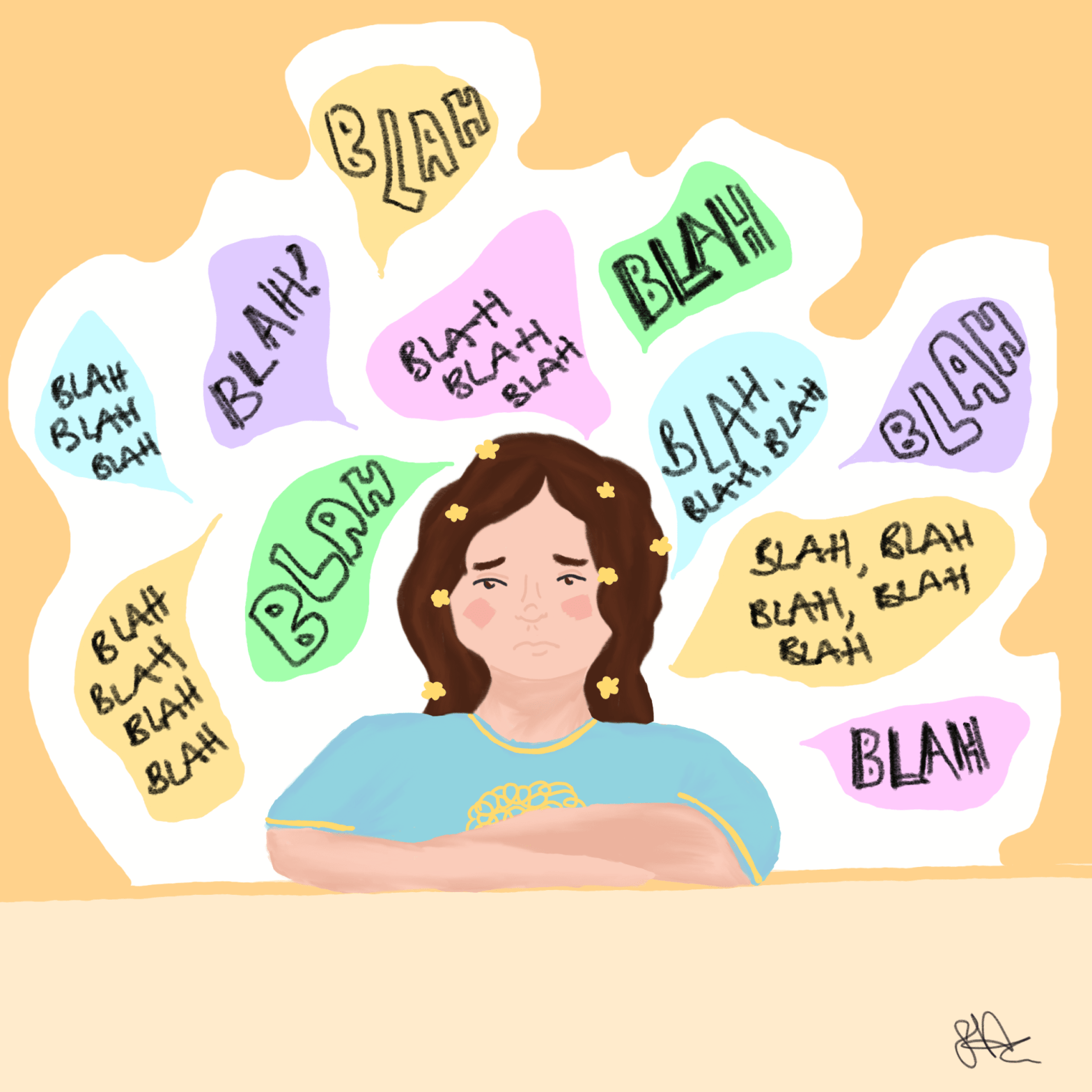
As April ends, we reflect on what we know or understand about autism, and neurodivergent young lives. April is Autism Acceptance month, and with at least 700,000 autistic people in the UK, it feels fundamental to talk about.
Our general and scientific understanding of autism and other neurodivergent conditions is evolving all the time. Yet as someone who falls under the neurodivergent umbrella, I recognise just how important it is to celebrate our experiences and strive for the acceptance of the differences. Autism Acceptance month both celebrates our unique characteristics and challenges misconceptions and stereotypes around the condition
What is autism?
Autism is a neurodivergent condition and disability that affects how people experience and interact with the world around them. It is however, a spectrum, no two people with an autism diagnosis will have the exact same experiences, despite the assumptions, prejudices and misconceptions people – and the media – have.
What isn’t autism?
Autism is not itself a learning disability or mental health condition, but almost one-third of those with autism also have a learning disability and many struggle with their mental health, usually because of the strains to exist in a world that does not always cooperate with their thoughts and functions.
What do we know about autism?
The spectrum of autism does not mean ‘more’ or ‘less’ autistic, but is a fluid line of a combination of unique characteristics for each person. This can also have an impact on what might be considered the visibility of a person’s autism, which often changes over time. Most autistic people learn how to ‘mask’, a term meaning to hide their characteristics that might make them stand out in order to fit in with what is considered ‘normal’ in society.
This is particularly true for girls and women who, until recently, were not included in scientific studies around neurodivergent conditions. This means that many characteristics present in mainly girls and women were not included or registered in identifying an autism diagnosis, due to the research not being there.
We spoke to two women about their own experiences with being diagnosed with autism.
Carys, 24, and a student in London commented:
“I was diagnosed a little over a year ago now. I knew a decent amount about autism because I’ve been very locked into neurodivergent spaces online and in my family and friendship circles. However, I know that growing up I only ever saw autism portrayed in the mainstream as a socially awkward skinny white man who was a genius at maths or similar subject areas, couldn’t make eye contact and seemed to be presented as asexual.
This therefore delayed my understanding of autism as a whole, and my understanding of how it could impact me differently.”
Jaz, 25, a careworker in Gloucestershire, had a similar experience with her own understanding of autism.
“I was given a diagnosis in May 2025. I thought I was pretty knowledgeable about autism before the diagnosis. I had spent a lot of years working with children of all ages with autism. I think I still had quite a limited view though, the majority of children I worked with were mostly boys and their presentation of autism was very similar to the criteria listed in the DSM. It was quite trickier to understand autism from a female perspective as a lot of the girls I worked with would spend a lot of time masking.”
“Despite being on courses and educating myself about autism, I think it is really easy to fall into that trap of seeing autism through a stereotypical standpoint unless you challenge your own thinking. I think the main ideas I thought about when I think about autism are the stereotypes around good memory, intense interests and difficulties understanding social cues.”
Increased diagnosis or over-diagnosis?
Some of the common misconceptions around autism, and many neurodivergent conditions, include the idea that autism is over-diagnosed in the modern day. We have seen this gain a lot of traction across the media, with multiple news and magazine outlets running articles around the rise of diagnoses for neurodivergent conditions with the extended use of social media.
According to a BBC article, ‘Are there more autistic people now?’ data taken from a sample of 9 million patients registered at GP surgeries in the UK, showed that there were 8 times as many new autism diagnoses in 2018 in comparison to 1998. Whilst people may see these figures and put a blame on over diagnosis or other factors they may attribute to an increase is autistic people in general, the study was keen to point out that it ‘showed a rise in the number of people diagnosed with autism is not the same thing as a rise in the number of people who are autistic.’
There are plenty of reasons why autistic diagnoses are rising in such a rapid way. Mainly, the increased research into neurodivergent conditions as a whole. The term ‘autism’ has not remained static in its meaning throughout history. Previous references to different types of autism like Asperger’s are no longer recognised as a separate type of autism. The sliding spectrum of autism is recognised by diagnostic manuals, referring to all diagnoses as ASC (autism spectrum condition).
Other factors such as better understanding and research done into how autism presents in women and girls, have shown an increase in diagnostic data, whilst older adults, from 70 years upwards, still have an extremely low diagnostic rate. This presents that younger adults and children are leading the increase in diagnoses, suggesting the rate is growing with the educational needs and better research done into autism spectrum disorder.
How does an autism diagnosis help?
For Carys, getting diagnosed as autistic meant the world to her. “I was excited to get the diagnosis and it was a relief because it felt like I’d received the missing piece of the puzzle that my ADHD didn’t quite explain.
I found over the following year that I was minimising and masking my most obvious autistic traits way more than I had been when I thought they were symptoms of my ADHD, as though there was a greater sense of shame attached to one label over the other.”
In terms of Autism Acceptance Month, Jaz explains, “despite how far society has come in the last few years in understanding autism, there is still a long way to go. Autism acceptance month can help to share awareness and educate others.”
“For me, I don’t present as having the ‘stereotypical autism’, I tend to mask a lot and over the years I’ve been good at mimicking and almost pretending to help me get by in most social situations. I’ve often been told by colleagues, those I know or strangers that I “don’t look autistic” and some have just refused to believe that I am autistic because I don’t fit their view of what an autistic person should be. To hear this, it makes you question yourself and your diagnosis at points.”
“Autism acceptance month reminds me that I am not alone in my feelings and I can gain the support from others.”
Siân Hopkins is an educator, writer, illustrator and campaigner for healthy relationships, sexual and mental health and neurodiversity.

