Behind the scenes at conference

Citadel has launched its annual party conference programme, now in its 17th year. We have teamed up with Ann Kennedy and hear what goes on behind the scenes to create the Youth Zone and Skills Hub 2026.

This year returning to Labour and Conservative conferences, as the parties of Government and Official Opposition, and a Youth & Skills Day at Liberal Democrats as the third largest party at Westminster. Citadel offers advice and guidance to take part at or attend other parties’ conferences.

“Our programme is ambitious and creates a cost-effective platform for charity-partners and supporters, including young people drawn from a range of backgrounds and experiences, to amplify the issues and their campaigns”, said Citadel founder Jonathan Hopkins.

“To meet the scale of interest and demand for places, we joined forces with Ann at Kennedy Consultancy Events, to run up to 100 events over just 6 days at the three main conferences,” he added. 

Ann has decades (yes, many years!) of party conference experience, working for the Labour Party as its head of exhibitions and most recently working with Citadel to help deliver first class events. This involves anything from designing events spaces, working with venues and suppliers, and creating an online booking platform with helpful information and top tips, and for client requests in support of each event.

Ann’s career has covered everything from ‘Creating exhibitions on ice rinks and swimming pools’ to being a ‘part of the 1997 and 2024 events team in Downing Street’, to name a few – “I love building great event teams & working with  some of the best people. To be able to create memorable moments that helped make a difference is really rewarding.”

Since last October, Jonathan and Ann have been visiting locations, checking out the spaces and how to present the set up at all the conferences. Everything from catering and booking forms, to pass allocations and AV unit equipment has to be sourced and accounted for months in advance. So what does an average week look like when you are preparing for the upcoming party conferences? 

Ann told us, “It’s a cliche to say but no two weeks are the same and they’ll be driven by deadlines, development and delivery and of course the clients.”

“Time management is crucial and our team uses a project plan, diaries and regular meetings to stay on top of all our tasks. We have developed the use of the event manual Ffair. That has helped streamline work & support clients for seamless delivery.”

After reaching a personal record of having attended 100 annual party conferences last year, Jonathan agreed that the amount of time and effort that goes into planning a multi-day programme for multiple party conferences.

“When we announce our programme of events each year, I hear ‘I can’t believe it, conference plans so early!’ Yet, at Citadel our planning starts as soon as the previous year’s conference ends. It’s an all-year-round exercise.”

The Youth Zone has come of age, reaching 16 years in 2025, and returning this year with the Skills Hub and adding in a new Apprenticeships Day, also supporting a Good Growth Quarter with employers. Backed by Youth Futures Foundation, City & Guilds, St Martin’s Group and Be the Business for each of the event programmes, there are around 50 charity-partners taking part.

According to Ann, those planning on popping to the Youth Zone and Skills Hub can expect, “to meet, hear and collaborate with experts and young people in the sectors at all conferences.”

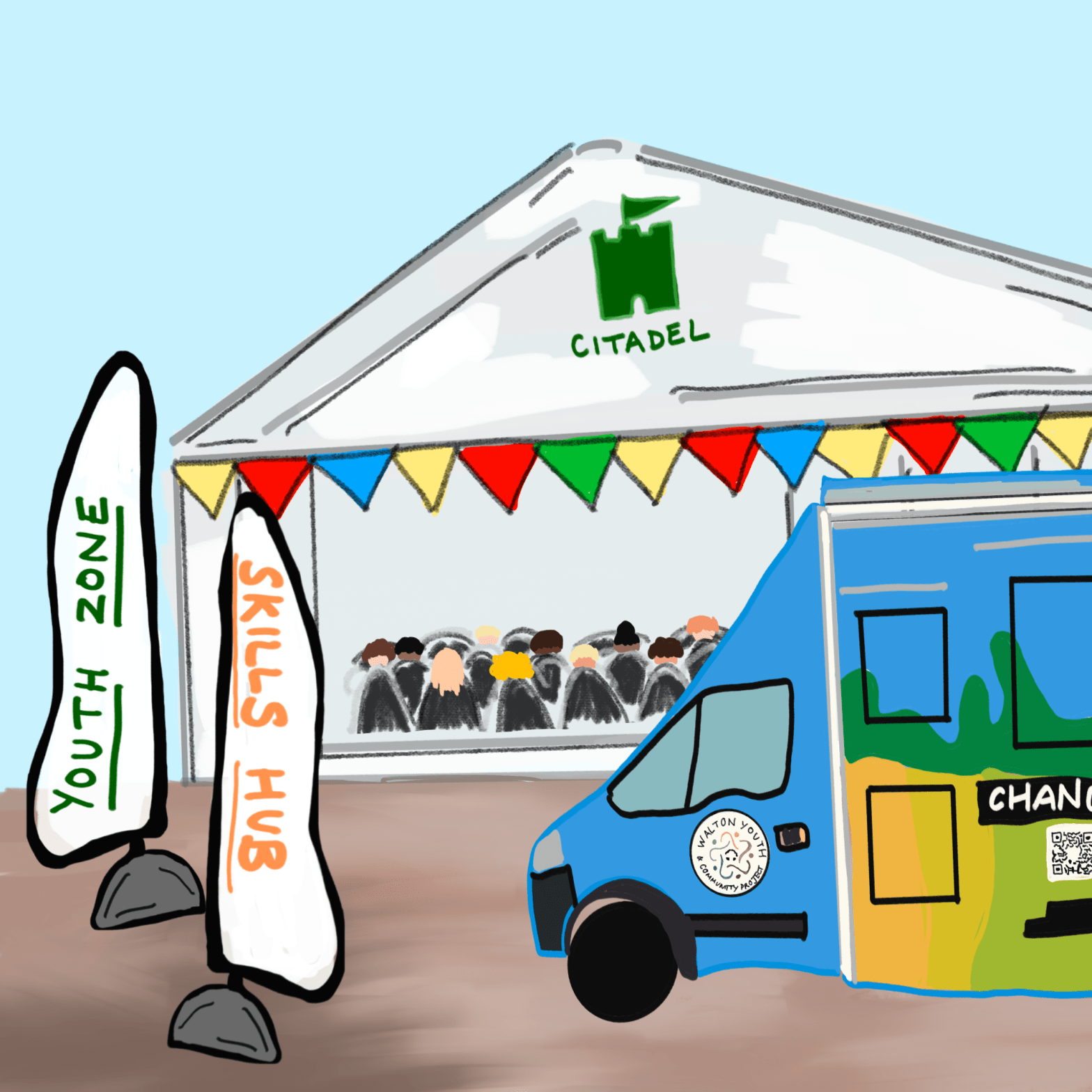
“With bespoke outdoor event spaces and the Walton Youth and Community Bus at Labour Party Conference, round table discussions at the Liberal Democrats Party Conference and engaging talks within theatre spaces at Conservative Party Conference, the Youth Zone and Skills Hub are bringing an exciting programme to get involved with,” said Ann.

So, you heard it here first, this year’s Youth Zone and Skills Hub will be jam-packed with events and activities. We can’t wait to see how planning continues to progress behind the scenes and to see it all happen at the conferences this autumn.

DEI or DIE

What we must do now or see diversity, equity and inclusion policies wither and die.

The distortion and corruption of politics, importing the ideological zeal of the religious right and late converts of crusading politicians, and our homegrown xenophobia towards different cultures, has pushed the door open for companies to backpedal on DEI. What starts as a trickle, like the reported withdrawal of some of the UK’s biggest businesses from their public support for Pride celebrations, can become a flood.

Whether it is the older generation, resistant to change, who look back to a golden era of ‘being British’ that disintegrates on close examination; or a generational cycle of blaming others when there’s an economic downturn; or the opportunist charlatans who act as influencers to the ‘man in the street’ – yes, it’s most often the man – adding homophobia and misogyny to the pyre. What was whispered in the margins has been amplified and is backed by the rich and powerful, the tech-bros and crypto-kings.

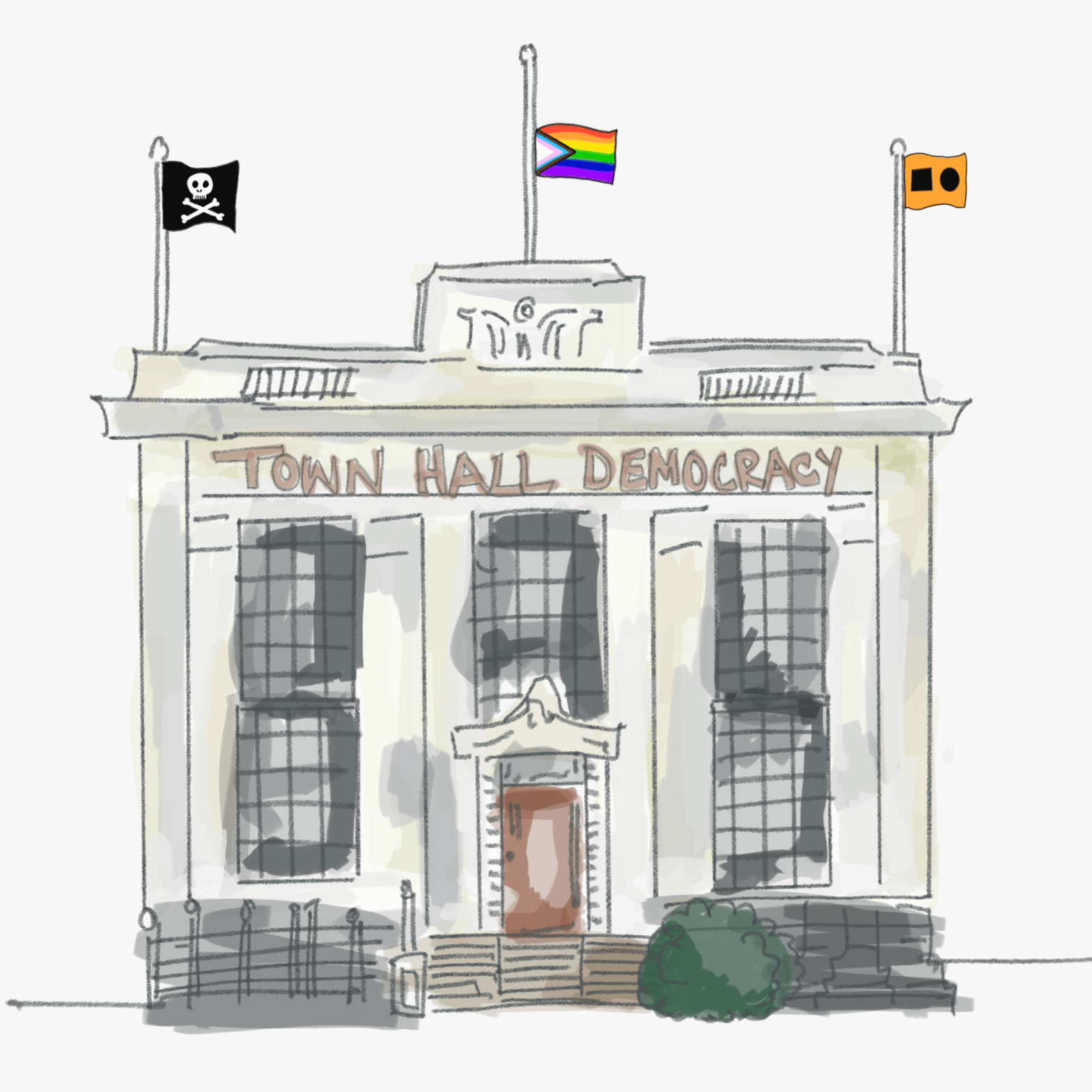
A surge in Reform councils sees the removal of the Rainbow flag, yet acting as champions of the Union Jack and English flag to be strung up on lampposts – not as an act of patriotism nor pride in the nation, but as an aggressive act with flags sited deliberately to promote fear and division. When they promise to abolish DEI local council jobs ignorant of the fact many such posts don’t exist, lost after years of austerity.

Rather than stand firm to defend DEI, it is by complicity or non-compliance of business and political leaders that DEI is chiselled away. Some look to stay clear of controversy, under the misconception that hiding behind a perceived majority view will protect their market share of products and services, or votes. Others may hold the same views, or simply see cutting DEI as reducing costs and bureaucracy. The cheap headlines of councils “abolishing Christmas”, young people as a “snowflake generation” and outright racism, stoke the fires of civil discord and corporate greed.

Yet in all our glory our society is and has always been a melting pot of beliefs, faiths and cultures. There is not one set of values fixed in time, rather ideas and social norms are reset and framed by each generation. Some changes evolve, others may be thrust on us, causing disquiet or alarm to swathes of the population. The reality is that over half of us are discriminated by gender and misogyny, faith groups are under attack, racism prevails, and hate is stirred up by sexuality, and when a new language of how we define ourselves is misunderstood or warped.

This is when business and politicians need to step up to the plate, not step down their DEI commitments. The biggest challenge for businesses is less short term profits and more about creating and sustaining a close knit society for better connected services and an everyday economy in which we all can prosper. When creativity, innovation and human kindness is needed to trump an over reliance on AI, to grow the economy and replace the corporate greed of a handful of billionaires. This requires compassion, understanding, tolerance and a willingness to celebrate our differences, and to break down the barriers which discriminate or promote division.

Our world order is designed by men and our history dominated by the male perspective, leaving half the population invisible or patronised in the way we do business. DEI lifts the curtain on other form of discrimination to help create a culture of understanding. Done well DEI supports an inclusive workforce which reflects and values the communities served. Done better it grows a customer base and electorate that truly represents our society as we are now and that we want to become. We must act now to dig deep to embed DEI, protected against the populist tide.

Challenging Misconceptions. Celebrating Differences 

As April ends, we reflect on what we know or understand about autism, and neurodivergent young lives. April is Autism Acceptance month, and with at least 700,000 autistic people in the UK, it feels fundamental to talk about. 

Our general and scientific understanding of autism and other neurodivergent conditions is evolving all the time. Yet as someone who falls under the neurodivergent umbrella, I recognise just how important it is to celebrate our experiences and strive for the acceptance of the differences. Autism Acceptance month both celebrates our unique characteristics and challenges misconceptions and stereotypes around the condition

What is autism? 

Autism is a neurodivergent condition and disability that affects how people experience and interact with the world around them. It is however, a spectrum, no two people with an autism diagnosis will have the exact same experiences, despite the assumptions, prejudices and misconceptions people – and the media – have.

What isn’t autism? 

Autism is not itself a learning disability or mental health condition, but almost one-third of those with autism also have a learning disability and many struggle with their mental health, usually because of the strains to exist in a world that does not always cooperate with their thoughts and functions.

What do we know about autism? 

The spectrum of autism does not mean ‘more’ or ‘less’ autistic, but is a fluid line of a combination of unique characteristics for each person. This can also have an impact on what might be considered the visibility of a person’s autism, which often changes over time. Most autistic people learn how to ‘mask’, a term meaning to hide their characteristics that might make them stand out in order to fit in with what is considered ‘normal’ in society.

This is particularly true for girls and women who, until recently, were not included in scientific studies around neurodivergent conditions. This means that many characteristics present in mainly girls and women were not included or registered in identifying an autism diagnosis, due to the research not being there.

We spoke to two women about their own experiences with being diagnosed with autism. 

Carys, 24, and a student in London commented:

“I was diagnosed a little over a year ago now. I knew a decent amount about autism because I’ve been very locked into neurodivergent spaces online and in my family and friendship circles. However, I know that growing up I only ever saw autism portrayed in the mainstream as a socially awkward skinny white man who was a genius at maths or similar subject areas, couldn’t make eye contact and seemed to be presented as asexual.

This therefore delayed my understanding of autism as a whole, and my understanding of how it could impact me differently.”

Jaz, 25, a careworker in Gloucestershire, had a similar experience with her own understanding of autism. 

“I was given a diagnosis in May 2025. I thought I was pretty knowledgeable about autism before the diagnosis. I had spent a lot of years working with children of all ages with autism. I think I still had quite a limited view though, the majority of children I worked with were mostly boys and their presentation of autism was very similar to the criteria listed in the DSM. It was quite trickier to understand autism from a female perspective as a lot of the girls I worked with would spend a lot of time masking.”

“Despite being on courses and educating myself about autism, I think it is really easy to fall into that trap of seeing autism through a stereotypical standpoint unless you challenge your own thinking. I think the main ideas I thought about when I think about autism are the stereotypes around good memory, intense interests and difficulties understanding social cues.”

Increased diagnosis or over-diagnosis?

Some of the common misconceptions around autism, and many neurodivergent conditions, include the idea that autism is over-diagnosed in the modern day. We have seen this gain a lot of traction across the media, with multiple news and magazine outlets running articles around the rise of diagnoses for neurodivergent conditions with the extended use of social media. 

According to a BBC article, ‘Are there more autistic people now?’ data taken from a sample of 9 million patients registered at GP surgeries in the UK, showed that there were 8 times as many new autism diagnoses in 2018 in comparison to 1998. Whilst people may see these figures and put a blame on over diagnosis or other factors they may attribute to an increase is autistic people in general, the study was keen to point out that it ‘showed a rise in the number of people diagnosed with autism is not the same thing as a rise in the number of people who are autistic.’

There are plenty of reasons why autistic diagnoses are rising in such a rapid way. Mainly, the increased research into neurodivergent conditions as a whole. The term ‘autism’ has not remained static in its meaning throughout history. Previous references to different types of autism like Asperger’s are no longer recognised as a separate type of autism. The sliding spectrum of autism is recognised by diagnostic manuals, referring to all diagnoses as ASC (autism spectrum condition).

Other factors such as better understanding and research done into how autism presents in women and girls, have shown an increase in diagnostic data, whilst older adults, from 70 years upwards, still have an extremely low diagnostic rate. This presents that younger adults and children are leading the increase in diagnoses, suggesting the rate is growing with the educational needs and better research done into autism spectrum disorder.

How does an autism diagnosis help?

For Carys, getting diagnosed as autistic meant the world to her. “I was excited to get the diagnosis and it was a relief because it felt like I’d received the missing piece of the puzzle that my ADHD didn’t quite explain.

I found over the following year that I was minimising and masking my most obvious autistic traits way more than I had been when I thought they were symptoms of my ADHD, as though there was a greater sense of shame attached to one label over the other.”

In terms of Autism Acceptance Month, Jaz explains, “despite how far society has come in the last few years in understanding autism, there is still a long way to go. Autism acceptance month can help to share awareness and educate others.”

“For me, I don’t present as having the ‘stereotypical autism’, I tend to mask a lot and over the years I’ve been good at mimicking and almost pretending to help me get by in most social situations. I’ve often been told by colleagues, those I know or strangers that I “don’t look autistic” and some have just refused to believe that I am autistic because I don’t fit their view of what an autistic person should be. To hear this, it makes you question yourself and your diagnosis at points.”

“Autism acceptance month reminds me that I am not alone in my feelings and I can gain the support from others.”

Siân Hopkins is an educator, writer, illustrator and campaigner for healthy relationships, sexual and mental health and neurodiversity.

Celebrating the NHS

We each have personal experiences of the National Health Service, whether meeting our every day needs or emergencies, at times of great significance like childbirth or crisis. How is this institution viewed by the younger generation?

This World Health Day, we are looking at an important staple of the United Kingdom’s welfare state, the NHS. The National Health Service is the primary source of healthcare for residents and citizens across the UK, allowing them to get medical attention without having to pay extortionate amounts of money, like in some nations. This doesn’t mean there haven’t been attempts to change and whittle away some of the founding principles of the NHS, using the lack of funding and long wait times to move their own agenda forward. However, it’s important we take a look at these founding principles, before we look at the modern day challenges the NHS faces today.

When Labour Prime Minister Clement Attlee came into power in 1945, one of his first decisions was to set about creating a comprehensive welfare state, with the NHS at the centre. He stated, ‘We had not been elected to try to patch up an old system but to make something new … I therefore determined that we would go ahead as fast as possible with our programme.’ His next step was hiring South Wales miner and trade unionist, Aneurin Bevin as Minister of Health.

The 1946 NHS Act made the minister of health responsible for establishing “a comprehensive health service designed to secure improvement in the physical and mental health of the people of England and Wales and the prevention, diagnosis and treatment of illness […] and to provide or secure the effective provision of services. […] The services so provided shall be free of charge, except where any provision of the Act expressly provides for the making and recovery of charges.”

Aneurin Bevan as Minister of Health and recognised as ‘chief architect’ of bringing about the NHS, promoted his vision for the National Health Service and duties as Minister of Health by saying ‘No society can legitimately call itself civilised if a sick person is denied medical aid because of lack of means.’

These ideas are the very foundations behind the creation and development of the NHS across the United Kingdom. That, no matter what a person’ s circumstances, they deserve to receive medical care, regardless of status and financial means. These principles are carried forward, in the modern day, by all the hardworking and resilient members of staff that work throughout the NHS.

In today’s society, we have seen great scientific break-throughs and have a better understanding of what can affect our health and wellbeing. We now know that most ill health can be linked to external causes (poverty, housing, education, nutrition, and others) and this requires a new focus by wider society and the NHS on preventing disease and creating health.

However, there are many obstacles that both the NHS and those who work in it face, that would not have been predicted back when it was created in the 1940s. Since 2024, data obtained from the NHS Change website identified a range of challenges, reported by both public participants and NHS staff participants. For the public participants, the main identifying issues surrounding the functioning of the NHS included access to care and poor communication and coordination between services. Some of these complaints mentioned longer waiting times in A&E, lack of GP appointments and missing information transferred between different services.

In contrast, most of the obstacles facing NHS staff, that were collected within the survey, offer an explanation for many of the frustrations held by patients. From 2024, over 80% of staff answering the NHS Change survey reported staff shortages and 58% have a high staff turnover. The causes of this are made very clear: unmanageable workload, stressful work environments and poor mental health and burnout. With a large proportion of services being short staffed, other members of the NHS workforce are forced to pick up the extra work. The lack of staff offers an explanation to longer waiting times, less appointments and poorer communication between services.

The problems for recruitment and retention for the NHS, as seen by young people, is the relatively low pay and exhausting, long hours and emotional turmoil, particularly for those in public facing roles. Throughout the COVID pandemic from 2020, student nurses and doctors were expected to work in unknown conditions, with no pay and with out of date PPE. All too often, in this divisive world and political culture, they face abuse, discrimination and assault. Yet their dedication to public service and social justice sustains the NHS founding principles. Despite the near constant rhetoric of the need for change and funding crisis, and underlying modernisation to meet the needs of an ageing population, the fundamental belief is that everyone can access medical advice for free.

The NHS is part of the UK’s DNA. There are many obstacles, both politically and financially motivated, that face our National Health Service today. However it is important we don’t forget just how lucky we are as a nation to have it. For the politicians and decision-makers, while nothing can be taken for granted nor seen as a birthright or entitlement, our generation of young people are putting you on notice: we are resolute in our support of the NHS and united we stand behind behind its founding principles.

In Loving Memory

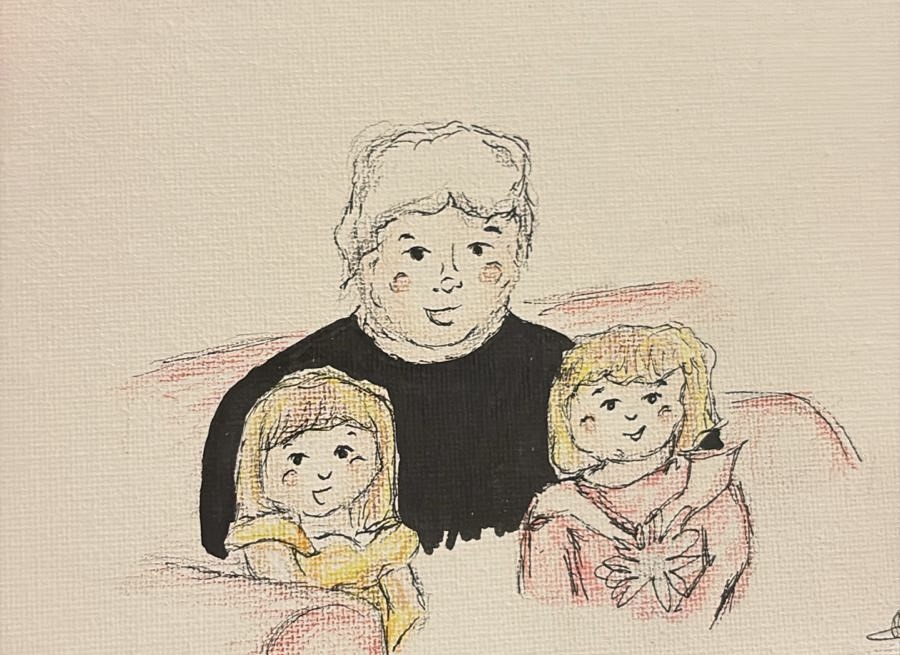
Mary lived her life through all its challenges and good times, led by firm beliefs and lasting values of friendship and kindness, social justice and helping others, and family. Instilled in me from childhood, these are the values on which Citadel was founded and guide us in our work.

Education in all its forms sits at the heart. Music, art and culture, and a love of sport, give expression to who we are and what we can be. Ever-curious, willing to listen to and respect others’ views, but giving no space for the politics of hate, division and discrimination.

Our shared aim is to break down barriers not just for individuals to get on in life, but in creating opportunities for families and communities to thrive. Engaging and involving young people, supported in the present and ambitious for the future. Living locally as good neighbours, with a global outlook when care knows no boundaries.

The year ahead plots a course for our work on the Young Creatives Commission; roll out of the National Youth Strategy, and Young Futures hubs; tackling NEETs and the inseparable challenge of mental health; building New Foundations for 16-24-year-olds in home, health and employment for independent living; enrichment for all in their education and out-of-school activities; SEND reform, skills and apprenticeships; family rights and social care; ‘good growth’ and the everyday economy.

Never one to dwell on the past, rather to live in the present and hopeful for the future, we will miss Mary greatly; but her tenacity and spirit live on in all that we do, and by her grandchildren too.

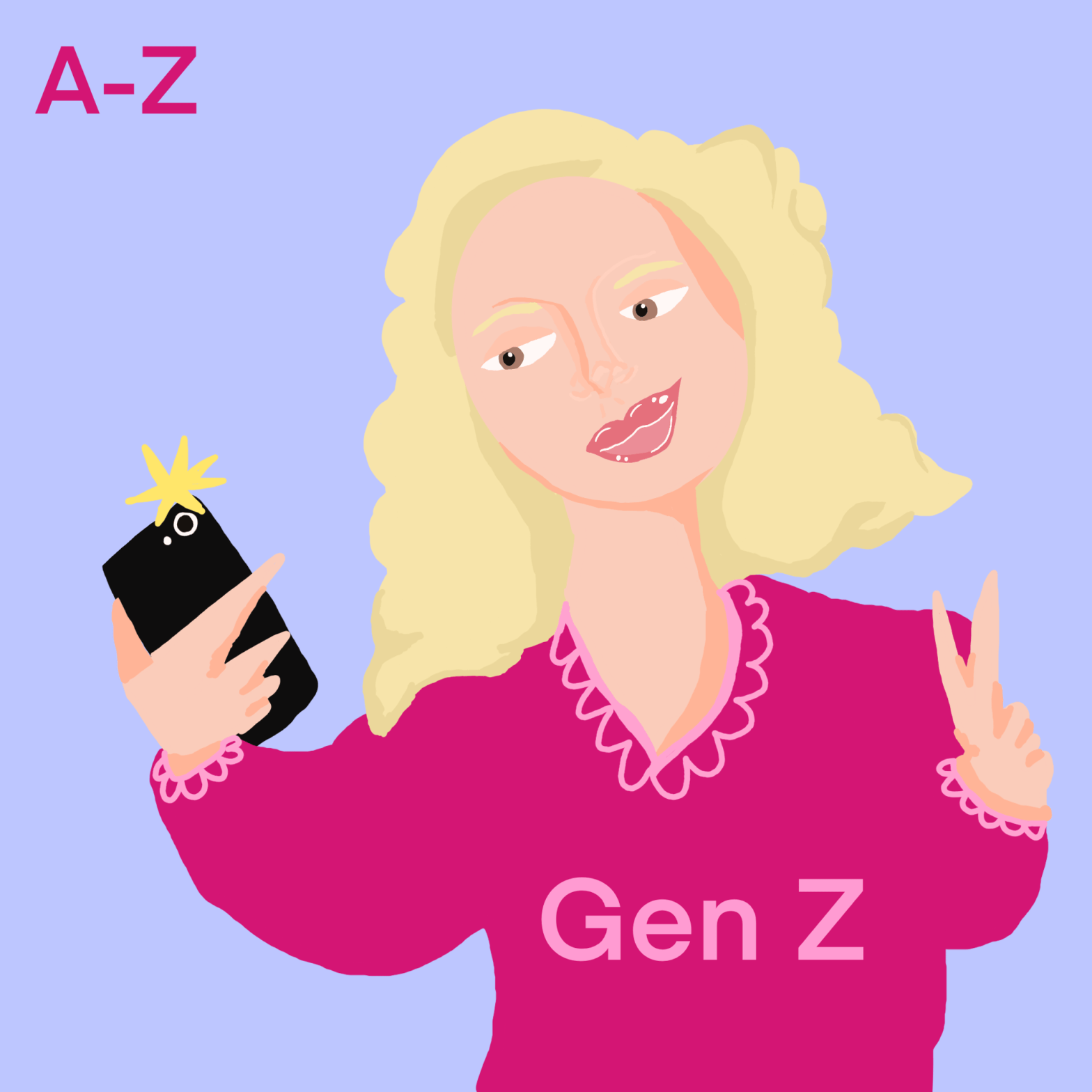
Z is for Gen Z

We close Citadel’s 20th Anniversary year with our A-Z of insights and experiences from across the years. It is fitting to end on Gen-Z, those born 1997 and 2012. Framed by the election of the New Labour Government in power 1997-2010, and the 2012 London Olympics. Taking the helm, our very own Generation Z Sian reflects on the changes she’s seen.

“Being born a Gen Z is like being born between the past and the future. We weren’t born with a smart phone in our hands but we were around to see how to manage technology and adapt faster than maybe our parents can. We can remember a time without social media and the internet, yet we also can’t imagine our lives without it. I find being a Gen Z to be complicated in this way. The access to information, news and pop culture being at our finger tips is a blessing and a curse.

As a generation we might be the most aware of current affairs and just as passionate, both for the less fortunate and for ourselves. But, we are also one of the most vulnerable. With such quick access to everything online we can miss the dangers that are forever progressing, both with deep fakes, rising hate and developing trends, that we can’t always keep up with.

In 2005 when Citadel was founded I was in primary school, becoming a teenager in 2012, the year of the London Olympics. It felt empowering to be growing up as a young woman. We were making massive strides for LGBTQ+ rights and body autonomy.

By 2016 as I looked to the future of university and employment, there were major global shifts. Brexit, like Trump’s first US presidency, felt like a blip at first. Despite not being glued to my phone I was hyper aware of all these events, particularly as it was spoken about very openly in my home.

In 2019 Brexit hardened with Boris Johnson elected as PM and global back pedalling on climate change led by Trump was met by school student strike. In response we saw the emergence of Greta Thunberg as an icon of youth activism. The pandemic took grip soon after, and we are still living with the fall-out of fractured lives and mental health crisis. Jobs for young people feel hard to come by – it is a challenge to get on the first rung of the ladder, and career moves are equally stunted for most young people.”

In 2025 the divide between haves and have-nots is a chasm. The change has been dramatic and the world of New Labour that were my formative years feels like another life time. Indeed it feels like we live in two worlds: the day to day living in education or at work; and the virtual world of social media. It’s almost impossible to miss anything if you own a smartphone. I don’t just mean current affairs, I also mean so-called news outlets and influencers calling out “fake news” and telling us the “real news”. How can I have witnessed such a U-turn in political climate and regression of beliefs and feelings about benefits, asylum seekers, women, the queer community and so much more?

We are told young people are the future, but we are also here now. It is left to us to clean up the legacy of the last twenty years. This doesn’t absolve the older generation of their responsibilities and we don’t have all the answers, but the time is ours’ to challenge and change the political narrative. Let kindness and compassion rein as we enter the new year with greater confidence for all our futures.”

Sian Hopkins is a freelancer writer and illustrator and an educationalist working in schools to promote healthy relationships.

S is for Skills

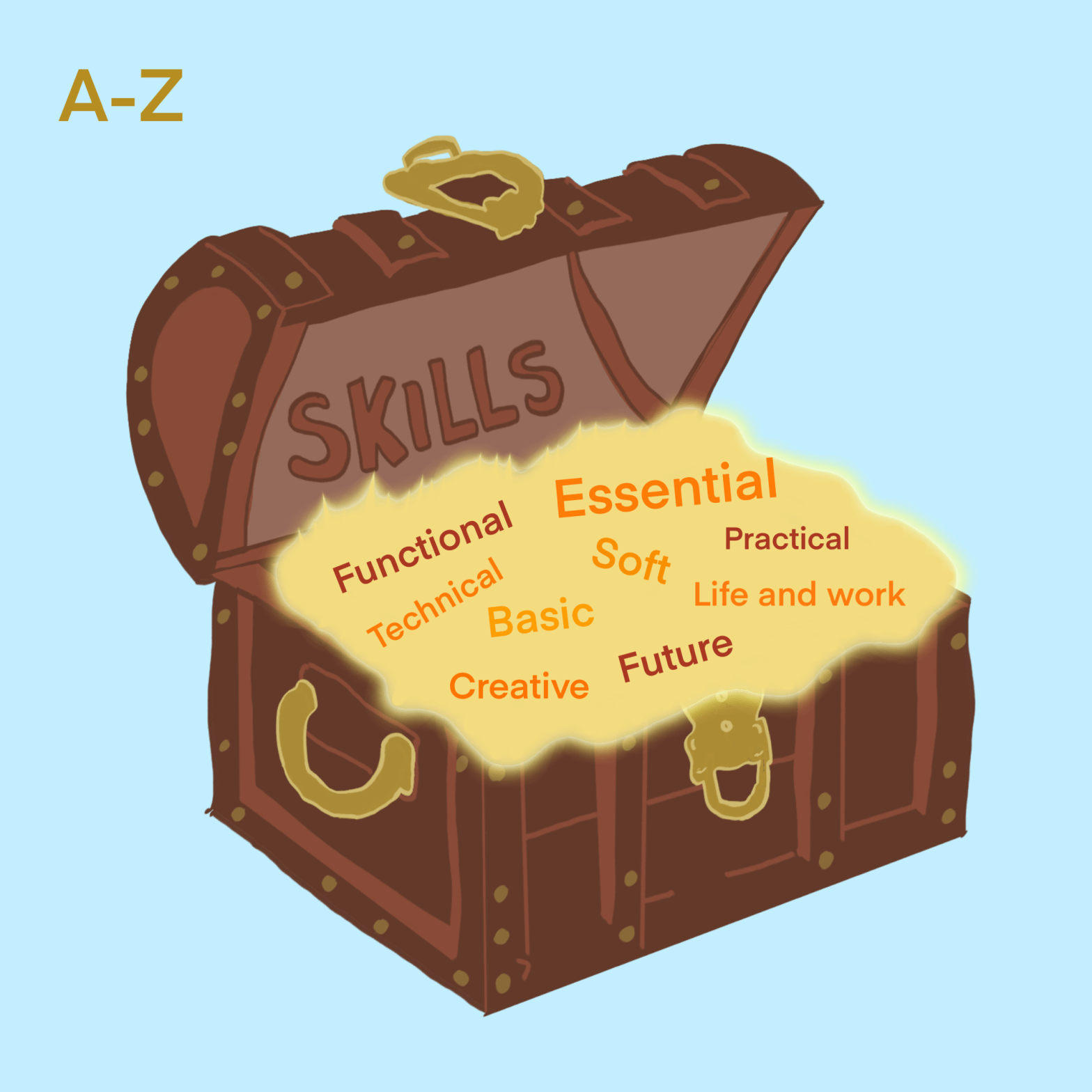
Basic skills. Functional skills. Essential skills. Soft skills. Skills for life and work. Future skills. Practical. Technical. Digital. Creative. Confused?

At its simplest, skills are the ability to do something well, learned through education or experience specific to a task or job, and often developed by training and practice. Skills can be learned, to apply knowledge effectively. They can be innate, a natural talent and aptitude honed through practice. In work, skills are the ability to solve problems and perform tasks to achieve desired outcomes, highly valued for productivity and economic growth. Transferable skills are crucial for future employability, from one job to another.

Yet in a rapidly changing world of AI and technological developments, which increasingly take over many of the tasks and work of day-to-day life, what skills are most prized?

We look to future skills, how to harness the power of technology to solve problems and counter the regressive effects of inequality and ever widening wealth disparities. Preparing young people for the known unknowns, to meet the global economic, social and environmental challenges faced and in everyday living.

There’s an ever increasing focus on personal qualities and competencies – life skills – like resilience and adaptability which underscore teamwork and socialisation, positive attitudes and creative thinking of ‘head, heart and hand’.

Young people face a churn of jobs, periods without employment and a future of increased leisure time, while supporting and caring for an ageing population. It is the population and social challenges that requires skilled and compassionate politicians to help navigate, not left to the manipulation of markets and divisive populists.

It is those political skills which will help educate, inspire and nurture democratic engagement and social leadership at all levels. Where politics is not seen as a dirty word and politicians are valued for their worth in deeds and not their words and rhetoric. Trust, hope, compassion and humanity are qualities we look for in progressive politician. Head, heart and ‘getting things done’ is the art of a skilful politician.

Citadel runs the Skills Hub in association with City & Guilds and Future Skills Coalition at the autumn party political conferences as a shared platform to explore all skills-sets and the collective impact for productivity and growth, and lifelong learning.

100 different parties

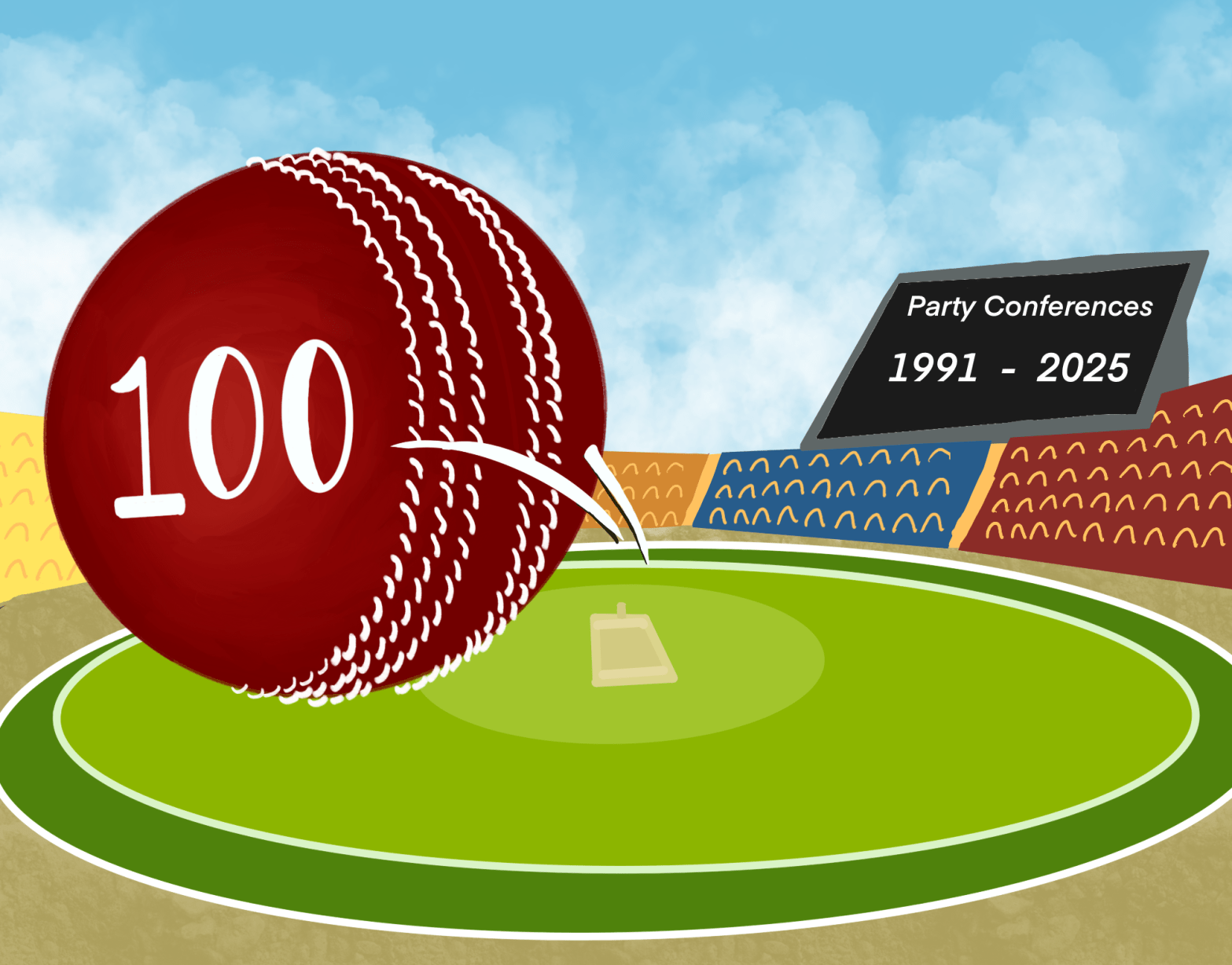
As we look ahead to party conference season, I score a rare century of annual conferences at the main three Westminster parties, and always the party of Government and Official Opposition.

Discounting the extra runs at Labour conference chalking up 38 years from my first job working for a local MP and batting away the online conferences that ran in the 2020 pandemic, I will make my 100th innings when I arrive in Bournemouth at Liberal Democrat autumn conference.

It all began with LibDems in Bournemouth back in September 1991, then representing the National Union of Teachers as a non-affiliated trade union. That first day I also met my now wife working who was working for a charity at the conference. Thirty-four years on as we embark on our 35th party conference season, we celebrate 100 conferences at our ‘Youth and Skills Day’ organised with the party on 22 September.

The batting order takes us next to Labour in Liverpool with our Youth Zone and Skills Hub fringe programmes and a record 70 events held in just 50 hours, supporting some 50 charities and including 50 young people over 3 days.

The final innings plays out in Manchester at Conservative Party conference, with a strong tail-end increasing the run-rate to complete 100 fringe events in 2025 alone.

Since 1991 we’ve seen 26 party leaders take to the crease, including 10 Conservative leaders, the election of 8 Labour leaders (letting slip the only 2 women interim leaders) and 8 LibDem leaders overall. The fast-pace of politics has moved on from Paddy Ashdown, Neil Kinnock and John Major as leaders. The era marked by the financial crises of 1992, 2008 and 2023 and punctured by 9/11, the Pandemic and global conflict brought closer to home with the saturation of social media.

To rest back some control of the messages, beyond the spin, party conferences have become increasingly staged and less obviously a policy making forum. The fringe has become more commercial, a necessary revenue stream for the parties. Yet with a vibrant fringe each of the political gatherings party conferences are a great market place of ideas and debate, side-bar discussions and campaigns to inform and shape future policies.

For those taking part in the conferences for the first time, protect your energy levels. Pad up and take a look at the field of events, picking out those you want to strike out and see. Soak up the atmosphere and take breaks, so that you’re not overwhelmed by the crowd and can bat through to the end. For the veteran conference players, pace yourself. We may be wise to conference, but ever mindful of the spin and occasional political bounce or slip-catch when organising events.

Of a career record and stories of conferences over the years, our proudest achievement is from our Youth Zone events first run with charity partners at the party conferences in 2010. That’s 15 years supporting over 1,000 young people to take an active part from a wide range of backgrounds and experiences. Some now in political office, and most still actively engaged in their communities.

Citadel runs the Youth Zone and Skills Hub at party conferences. The programme of events for conference delegates and visitors (conference passes required) can be found here:

Q is for Quiz

Holiday season is in full flow. It’s the time of year we can ‘take a break’ and turn to the summer quiz pages published in our favourite magazines, newspapers and online sites – and nostalgia for the summer specials in our childhood comics.

As we get ready to close Citadel’s doors for a fortnight of sun (hopefully!), seaside trips and relaxation, it seemed a good idea to publish a quiz of our own.

Since the turn of the year you will have seen our fortnightly blog, an A-Z of Citadel insights and experiences from 20 years in public affairs, reaching ‘Q’ today and completing the alphabet-run in December.

So, what do you know, and what’s new to you from Citadel’s worldview?

Let’s get started – an easy one:

a) Which year was Citadel founded; and for those with a closer eye on the detail, in which month?

Now, let’s put you to the test.

b) Who is Citadel’s longest-serving, continuous client? (Clue: this answer goes straight to the point)

c) How many years has Citadel run the Youth Zone events at the party conferences? (Clue: we started in the first year of the Coalition Government)

d) Our founder Jonathan is a national adviser on youth policies and an Associate of which think tank? (Clue: ask Baroness Anne Longfield!)

e) Who is our favourite client and partner we’ve worked with in the last 20 years? (Clue: trick question, but you know who you are…)

Quiz completed, an ice cream cone, a long-cool drink and a good book await. See you after our summer break when we launch headlong into the party conference season.

M is for Media

In an age of digital media, influencers and counter-factual truth, why bother with “the mainstream media”? As world leaders use the megaphone of social media and algorithms skew where you are heard, and what you see, polemic views gain ground and click bait headlines dilute political discourse.

For many it becomes overwhelming and they simply switch off and shut out world news. For politicians, it is a cacophony of noise that they have to make sense of, ever wary of the bear traps and pitfalls of journalist questions and media stories. Nuance is lost. Sound bites repeated ad nauseam prevail. Confidence and hope can be reduced to bluster and obfuscation.

In the world of public affairs, what’s the best way to get across your campaign messages and stories published in the media? Speaking to Citadel, long-serving Derren Hayes, editor of Children & Young People Now, said:

“In an ever more crowded market where it is difficult to gain airtime or column inches for your cause or campaign, it is vital to have a compelling story to tell and be sure your pitch speaks to the needs of the target publication’s audience. Too often I receive press releases that fail both of these tests.”

“Increasingly, editors are looking for content that offers their readers depth of understanding on complex issues and/or clear action points that they can take away to use in their professional or personal life.”

So where do we turn to and who do we trust to inform the issues of the day and reliably promote a particular campaign or cause?

Over the last 20 years, Citadel has tracked changes and benefits from a disciplined approach to media relations. First and foremost, securing media coverage is not an end in itself. To be effective it is just one part of communications to get your message across. Sustained over time media relations engages, presents and stimulates debate to garner support for changes to policies, services or opinions.

One constant is a carefully placed news-feature helps set the agenda. On the record comments and response from politicians can help give traction, prompting broadcast media to pick up the story, and featured online. A survey or poll will give a boost to the story, and sector specific media and journals give greater space for profile and analysis.

It’s important not to let go of the message, casting it to the wind in the hope of gaining coverage. Simply pumping out press releases or social media posts is political graffiti, seen but not heard, and rarely given much attention. Instead, knowing your target audience, a clear media plan will tailor and target the story each stage, ratcheting interest and maximising the chances decision-makers and influencers will hear the news across print, broadcast and online. This starts with concise and consistent messages that reduce the chances of misinterpretation and spin, while allowing media outlets and political commentators to add their own voice – not repeated parrot fashion – seen as credible and authentic.

And remember a good and engaging story has a beginning, middle and end. Know what you want and be clear on that from the start. When you add context to your key messages, highlight one or two points only which can be elevated to tell the story as a whole. When you conclude, use this to provide an answer, not just the problem, with a call to action – what to do – that avoids trailing off into a long wish list or rhetorical flourish.

Yet too rigid a media plan is a strait jacket. There’s high risk that a carefully planned feature is spiked or bounced out of a news-cycle by world events. Be prepared for false starts, and play the longer game, able to flex when and where to release your story.

Think of it as stimulating a conversation or extending a debate, to engage a wider public audience to shape the environment in which decisions are made. And be prepared to retell the story in other ways, from snappy social media posts to broadcast interviews, political briefings and policy presentations.

Children & Young People Now shares the 20th Anniversary of its Annual Awards with Citadel’s 20th year. The awards showcase innovation and outstanding practice across the children’s services sector, and champion those working with children, young people and families. The awards ceremony will take place on 20 November in London and, for the first time, with Citadel as a proud category sponsor.